
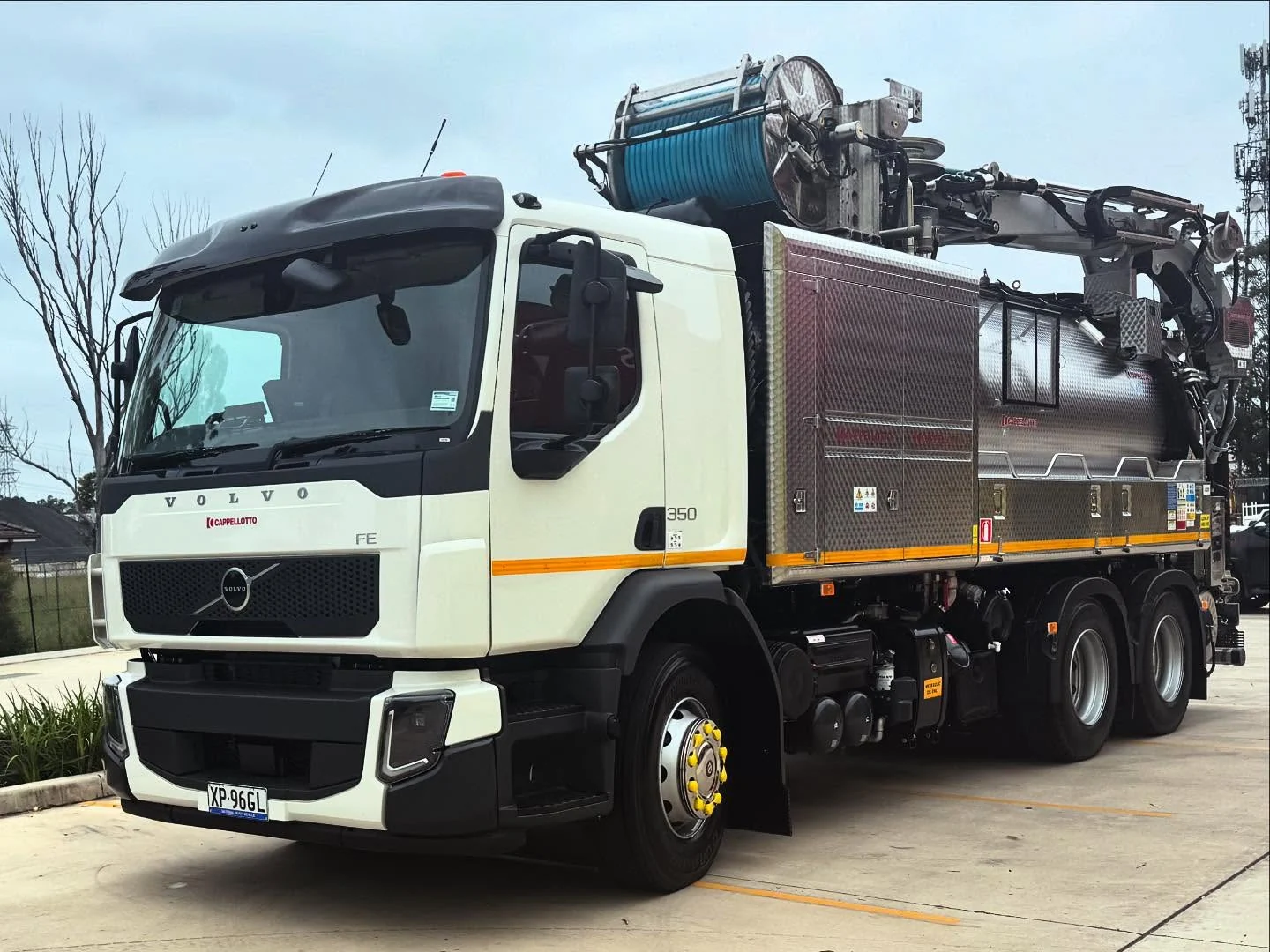
In everyday Australian site language, vac truck, vacuum truck, sucker truck and suction truck often describe the same broad family of truck-mounted vacuum equipment. The name alone does not confirm the truck’s exact setup or whether it suits a particular job.
The useful question is not only, “What do you call the truck?” It is, “What material needs to be removed, how will the crew reach it, and what work must happen at the excavation point?”
The short answer
- Vac truck is the common shortened form of vacuum truck.
- Vacuum truck is the clearest general term for a truck that moves material through a vacuum hose into an onboard tank.
- Sucker truck and suction truck are common informal alternatives.
- Hydro-vac or vacuum excavation truck usually points to work where water loosens soil and the vacuum recovers the loosened material.
People may use these labels interchangeably, but contractors should still confirm the actual scope and equipment before booking. A name does not tell you the hose route, material limits, tank capacity, water setup, disposal requirements or site controls.
Why the same truck can have several names
The labels usually come from either the equipment’s main function or the job being discussed. Vac truck focuses on the vacuum system. Sucker truck and suction truck describe the same action in less formal language. Hydro-vac highlights the combination of controlled water and vacuum recovery used for excavation.
The overlap can create confusion because vacuum equipment is used across more than one type of work. A caller might be describing utility potholing, slurry removal, water recovery, drain clean-out or hard-access material removal. Those jobs can have different planning needs even when a vac truck is involved.
A name is not a specification
Two enquiries that both ask for a sucker truck may need different equipment, hose arrangements and site preparation. Before comparing rates or availability, confirm the practical job conditions.
- Vac truck: broad vacuum recovery equipment still needs material, access, hose run, volume and destination confirmed.
- Vacuum or suction truck: still needs the actual work type confirmed, such as excavation, liquid recovery or clean-out.
- Sucker truck: informal label that does not define the truck setup or work method.
- Hydro-vac or vacuum excavation truck: still needs service information, ground conditions and the required exposure confirmed.
This is why a useful quote starts with the job rather than the nickname.
Checking truck fit?
Send the site details before you compare rates
Send the material type, estimated amount, proposed truck position and photos of the full hose route. Eire Vacuum Services can check the likely truck fit and the details needed for a useful rate discussion.
Which term should you use when requesting hire?
Use whichever term is familiar, then describe the result you need. For example:
- expose a marked underground service before other excavation begins
- remove water, mud or slurry from a pit or work area
- clear loose material from a location with restricted machine access
- clean out a drain, pier, tank or other defined area
- recover loosened soil from a controlled excavation
The scope matters more than choosing the correct nickname. If the job involves excavation near buried services, include current service information, markings and the required exposure. If it involves removal, describe the material and where it is located. Do not assume that every vacuum truck is configured for every material or work method.
What changes the truck and hose plan?
Material
Say whether the material is water, mud, slurry, loose soil, compacted ground or mixed debris. Photos help, but they should be accompanied by a plain description of what is known and what remains uncertain.
Access
Show where the truck can stop safely and legally. Include gates, height limits, traffic conditions, pedestrian areas and any restrictions on operating position.
Hose route
Photograph the route from the proposed truck position to the work point. Note stairs, corners, gardens, occupied areas, vertical lifts and places where the hose must be protected.
Work at the excavation point
Explain whether material is already loose or whether controlled water excavation is required. For work near services, provide the current plans and markings and follow the asset owner’s instructions.
Material handling
State what is known about the material and the site’s handling or destination requirements. Those details should be confirmed before the job rather than inferred from a photo or a truck nickname.
A practical booking checklist
Before asking for a rate or booking time, gather:
- the site address and preferred work window
- a clear description of the task and required end point
- photos of the material, work area, truck position and full hose route
- the estimated amount or dimensions, clearly labelled as estimates
- current service plans and markings when excavation is involved
- traffic, pedestrian, access, noise or working-hour constraints
- any known material-handling requirements
These details help separate a simple terminology question from the actual hiring decision. They also make it easier to identify missing information before a crew arrives.
Vac truck terminology: frequently asked questions
Is a vac truck the same as a sucker truck? Often, yes. Sucker truck is a common informal name for a vacuum truck. Because the label does not specify the truck’s full setup, confirm the job, material, access and work method before hire.
Is a hydro-vac the same as a vacuum truck? A hydro-vac is part of the vacuum-truck family, but the term usually emphasises the use of controlled water with vacuum recovery for excavation. Vacuum truck on its own is broader and may be used for other recovery or clean-out work.
Can every vacuum truck do excavation work? Do not assume that from the name. The truck’s water and vacuum setup, the material, the excavation scope and the site conditions all need to match the work.
What information is needed for a vac truck rate? Provide the site address, task, material, estimated amount, truck position, hose route, work window and relevant site constraints. For excavation near services, include current plans, markings and the required exposure.
Choose the job outcome first
Vac truck, vacuum truck, sucker truck and suction truck are useful shorthand. They are not substitutes for a scope. Start with the material, access and required result, then confirm the equipment and work method that fit.
For Sydney hire information, see vac truck hire Sydney. If you already have the site details, use the contact form to send photos and the proposed hose route.
Ready to send site details?
Check truck fit, availability and rate inputs
Send the site details and photos to check truck fit, availability and the inputs needed for an hourly-rate discussion.