
Eire Vacuum Services Blog
Before You Dig Australia: What It Is, What It Costs
Samantha manages enquiries, bookings, and the day-to-day business side at Eire Vacuum Services.
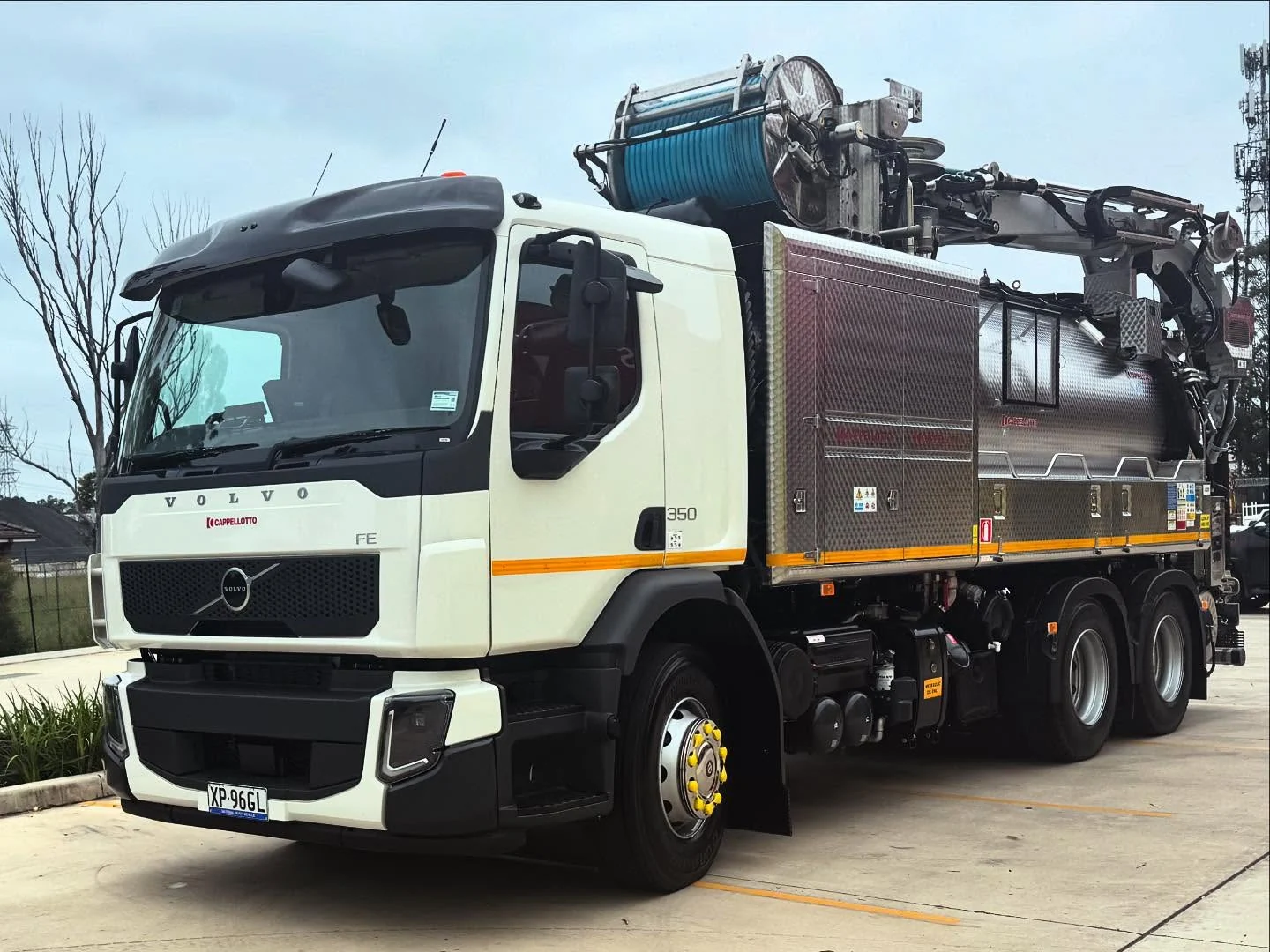
Before You Dig Australia (BYDA) is a free national referral service. You tell it where you are working, and the asset owners registered in that area send you their plans. It cost nothing to lodge before it changed its name, and it costs nothing now. It was called Dial Before You Dig until 1 July 2022, and it is not a company that anyone owns in the usual sense: it is a member-governed not-for-profit whose members are infrastructure asset owners and non-asset owners.
That is the whole answer to what most people are actually asking. The part worth reading past the first paragraph is what happens once the responses are in, because BYDA is unusually blunt about that.
Key takeaway
BYDA’s own FAQ puts one word of it in capitals: "The receipt of all Before You Dig responses is NOT considered to be an approval to proceed with excavation." Getting your plans is the first step of the process, not the end of it.
What Before You Dig Australia actually is
Before You Dig Australia (BYDA) is, in the words of its own FAQ, "a single point of contact to request information about underground networks at the planned project site from registered BYDA Members without the need to contact them individually."
The word doing the work in that sentence is referral. Its what we do page describes the service as a "free referral service that provides workers and organisations preparing to dig or excavate with detailed plans and safety information for utilities like gas, electricity, water, and telecommunications", and the distinction that matters is authorship rather than delivery. BYDA does not hold a national map of what is under your site, and the plans are not its own. It takes your dig location, works out which registered asset owners have infrastructure near it, and notifies them. Each of those owners then responds on its own timeline, and your enquiry summary lists their "expected wait times".
Its guide to free plans is explicit on the point. One paragraph says "You will receive plans and safety guidelines from infrastructure owners indicating the presence of underground assets", and that "Plans indicate the presence of underground infrastructure only and not their exact location; you should only use them as a guide". A separate paragraph adds: "These plans DO NOT come from Before You Dig Australia." You still collect the responses through BYDA, and the same page says "You will receive a notification once all plans are available in your BYDA account". The FAQ adds that affected members "will send you their plans directly to the email address you registered when setting up your account".
That matters for a practical reason. When a plan is unclear, late, or missing, BYDA is not the party who can fix it. The asset owner is. As the FAQ puts it, "The contact details for ALL affected asset owners can be found on the Enquiry Confirmation Sheet you receive after lodging your enquiry."
Is Before You Dig Australia free, and what can it cost?
Lodging an enquiry is free. BYDA’s FAQ answers it in one line: "It is FREE to lodge a BYDA enquiry."
There is one caveat, and it is BYDA’s own rather than a catch invented here. The same answer adds that "in some instances, infrastructure asset owners may charge for the supply of infrastructure information", and that this is "normally only for large development related enquiries or planning/design enquiries where no excavation is taking place."
So the honest version is this. Free for the ordinary case of someone about to dig. Possibly not free if you are a designer pulling utility information for a development that has no excavation attached to it yet. The charge, where it exists, comes from the asset owner rather than from BYDA.
A second cost sits nearby and is easy to miss when budgeting. BYDA’s FAQ notes that utilities "may provide free on-site or over the phone engineering advice when necessary. However, a fee may be charged when the relevant utility is requested to locate specific infrastructure assets or provide on-site advice." The enquiry is free. Getting someone to come out and find the asset for you may not be.
| What you are asking for | What it costs |
|---|---|
| Lodging a BYDA enquiry | Free to lodge, per BYDA |
| Plans for a large development, or a planning or design enquiry with no excavation | The asset owner may charge |
| General engineering advice from a utility, on site or by phone | May be free when necessary, per BYDA |
| A utility asked to locate a specific asset, or to give advice on site | A fee may be charged |
| A skilled locator, or potholing to confirm what the plans indicate | Paid separately to a contractor. BYDA lists locating organisations but does not do the work |
Free covers the enquiry itself. The costs that appear on a job sit downstream of it.
What is Dial Before You Dig now called?
Before You Dig Australia. The change took effect on 1 July 2022.
BYDA explained the change itself at the time. It had "launched the Next Gen referral service", which "made it easier and more efficient to lodge an enquiry", and alongside that advancement it dropped the word "Dial" from the name. In its own words: "All states united as one national organisation to continue stronger with our vision of Zero Damage, Zero Harm."
The same announcement is worth knowing for another reason, which is that the service has been running since 1984. It traces back to "the significant bulldozer incident in 1984 in Bibra Lake, WA", after which foundation members created what was "initially known as the 'Perth One Call System'". A local response to one strike became a state-by-state network, and in 2022 those state organisations became a single national one.
If you learned the old name, nothing about your duty changed with the branding. BYDA said as much at the time: "Everything else will remain the same, including your log in details and how you receive your responses." Its FAQ still states the duty plainly: "all individuals have a Duty of Care they must observe when working in the vicinity of infrastructure networks and it starts with lodging a FREE enquiry with BYDA." The price did not change either. The same 2022 announcement records that "For almost 40 years, Dial Before You Dig (DBYD) has provided a free referral service across Australia."
Who owns Before You Dig Australia?
Nobody, in the sense the question usually means. BYDA’s governance page states it plainly: "Before You Dig Australia is a National not-for-profit entity consisting of Member organisations from infrastructure asset owners and non-asset owners across Australia."
It goes on: "BYDA is governed by a Board of Directors made up of representatives from the various infrastructure asset members."
The organisations that own the pipes and cables are the same organisations that govern the service disclosing them, and not every asset owner is a member. Asked whether every infrastructure asset owner and network in Australia is a member, BYDA’s own FAQ answers: "Not yet. Presently, most infrastructure assets owners and networks in Australia are Before You Dig members." What that gap means once you are standing on the site is covered in our checklist for safe excavation near underground services.
How the enquiry works, and how long it takes
BYDA sets out three steps. Log in and draw your site on the map, using a street address, lot number or coordinates. Enter the project details, including start and end dates and the type of work. Then submit, and you get what BYDA calls an enquiry summary: "a list of all responding asset owners, their contact details and expected wait times."
The timing is where planning goes wrong more often than the process does.
- Lodge ahead of the dig, not on the day. BYDA’s duty of care page says "Lodge your BYDA underground utility plan request at least one day before your job is due to begin." Its best practice guidelines put it as one business day.
- Expect minutes, but plan for two business days. Its guide to free plans says plans "typically arrive within minutes but allow up to two business days."
- Chase the asset owner, not BYDA. If plans have not arrived inside that window, the duty of care page tells you to "contact the asset owner directly and quote their sequence number." Their contact details are on the enquiry summary you were given when you lodged.
- Do not start on a partial set. The guide to free plans is unambiguous: "Do NOT proceed until you have received the relevant information from all asset owners affected by your project."
None of that is difficult, and BYDA’s duty of care page sets the sequence out in full. The enquiry is a step with a lead time attached, and it belongs in the program alongside the plant hire rather than on the morning of the dig.
Planning a dig near services?
Tell us what the plans show and where the site is
Site photos, truck access and hose-run details are enough for us to work out whether a vac truck fits the job and what it would cost. Call 02 5023 3473, or send the details through the contact page.
Getting the plans is not permission to dig
BYDA is not the regulator, and its own codes and regulations page sends you to the work health and safety code of practice for your state, which in New South Wales is SafeWork NSW’s Excavation Work Code of Practice. What follows is BYDA’s own position, and it is the part worth carrying onto site. Its FAQ, verbatim: "The receipt of all Before You Dig responses is NOT considered to be an approval to proceed with excavation. Each user needs to follow the directions of each member contained in their response and comply with any legal, safety or best practice guidance. Many asset owners have specific requirements or processes for locating, working around, or accessing their assets before excavation."
Three practical consequences follow.
The instructions come with the plans, and they differ. Each asset owner attaches its own duty of care statement. BYDA asks you to "make sure to follow these instructions carefully and ensure that all workers on site understand the instructions before work commences." A plan read without its accompanying instructions is half the response.
Plans expire, and not all on the same day. From the FAQ: "Plans have an expiry date, and this information can be found on the plans or information pack provided by asset owners registered with the BYDA service. The expiry date can vary from each asset owner and therefore it is important to note the variations." On a long job with several asset owners, that means several dates rather than one.
A change of scope restarts it. BYDA lists that trigger twice. Its duty of care page says to lodge a new enquiry "if the scope of work changes or the validity dates of plans expire." Its best practice guidelines say the same thing in their own words: "If the scope of your work changes or the validity date of plans expire, a new BYDA enquiry must be submitted."
There is a separate question about how much a plan can tell you even when it is current and complete. We covered the accuracy limits, the AS 5488 quality levels and the exclusion zones in our Sydney checklist for safe excavation near underground services, so this article does not repeat them.
The Five Ps, and the step that needs a truck
BYDA’s best practice guidelines set out a sequence it calls the Five Ps of safe excavation. In BYDA’s own words:
- Plan. "Plan ahead by lodging your BYDA enquiry at least one business day before your project begins, and ensure you have the correct information required to carry out a safe project."
- Prepare. "Prepare by reviewing the utility plans and contacting the asset owners if you need assistance. Look for onsite asset clues such as pit lids, marker posts and meters. Engage a skilled locator who can assist you in locating assets electronically before potholing."
- Pothole. "Pothole, if permitted, using the asset owner’s stated method as specified on the plans and information pack. Some potholing methods include hand digging or hydro vacuum extraction."
- Protect. "If potholing has occurred, protect the infrastructure by using various methods; such as communicating to all working on site, erecting barriers and / or marking the location of the exposed infrastructure."
- Proceed. "You should only proceed with your excavation work after you have planned, prepared, potholed (unless prohibited) and have protective measures in place."
Read that sequence carefully, because it is more demanding than the summary most people carry around. Three of the five steps put someone on the ground before the main excavation starts: Prepare, where BYDA points to a skilled locator finding assets electronically, Pothole itself, and Protect, where exposed infrastructure is barricaded and marked. Pothole is the step that puts a method choice in front of you, and BYDA names two, hand digging or hydro vacuum extraction. The choice is not the excavator’s to make freely either, because BYDA ties it to "the asset owner’s stated method as specified on the plans and information pack."
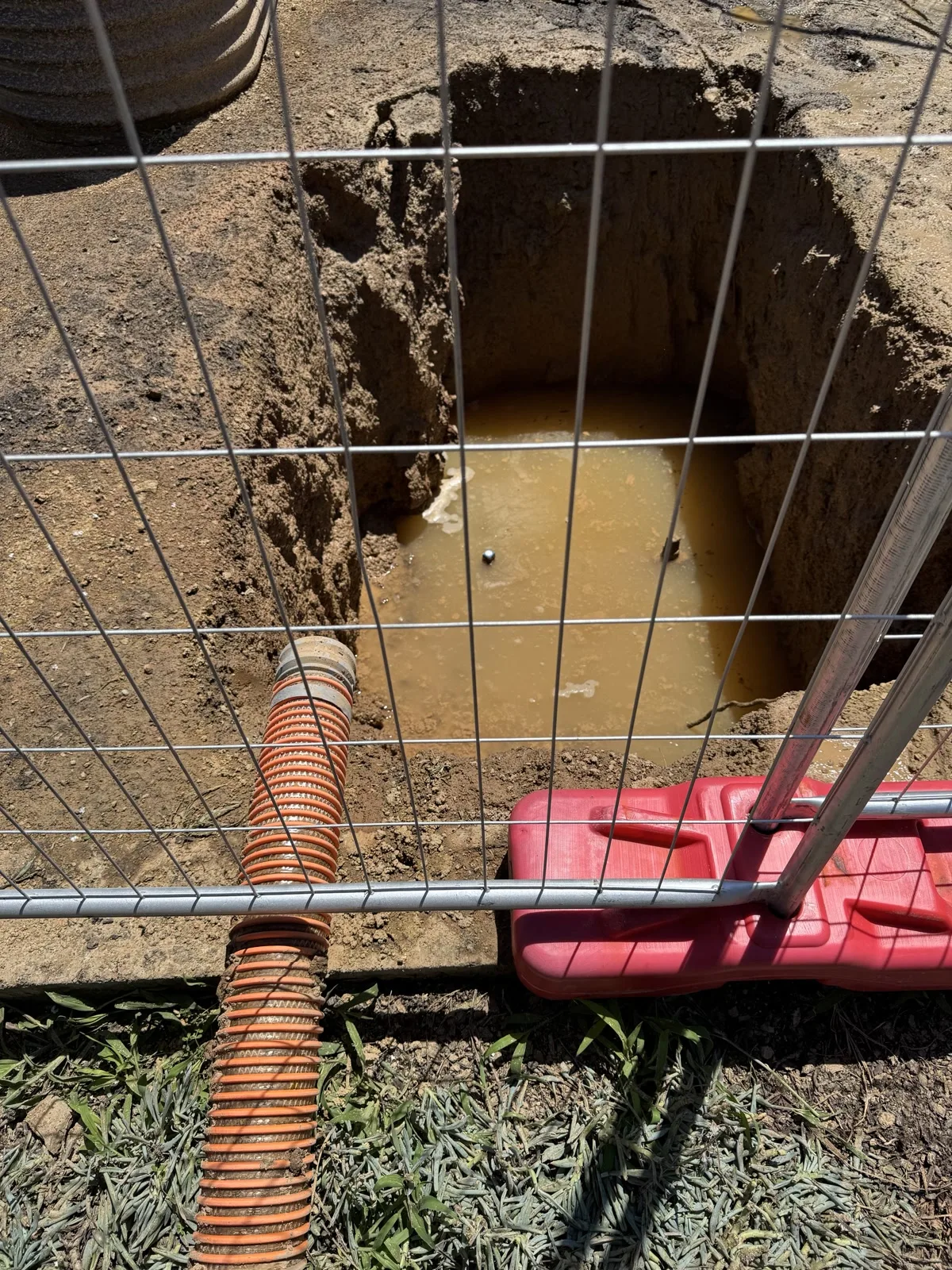
Where the asset owner’s stated method rules out hand digging, hydro vacuum extraction is the other method BYDA names. It is worth reading the plans for that instruction early, because a vac truck and the skilled locator BYDA names in Prepare are both third-party bookings rather than an hour of someone’s afternoon.
If potholing is what your plans have told you to do, our non-destructive digging service in Sydney is the service that does it, and our guide to utility potholing explains what a pothole actually confirms. Where the question is whether an asset was found at all rather than exactly where it sits, service locating and service proving are different jobs, and it is worth knowing which one you are asking for.
Where we work
We work across Greater Sydney and the surrounding regions. On most jobs the practical constraint is where the truck can stand rather than where the asset is, which is why we ask for access photos before quoting.
Related reading and services
For the service itself, non-destructive digging in Sydney and potholing services cover the two jobs a BYDA plan most often points to. For the method, how hydro vacuum excavation works explains what the truck is actually doing, and vacuum excavation compared with mechanical excavation covers when each one is the right call.
Frequently asked questions about Before You Dig Australia
The questions people ask most often about the service itself, rather than about the digging.
Is Dial Before You Dig free in Australia?
Yes. Lodging an enquiry is free, and it was free under the old name too. BYDA states the current position directly, "It is FREE to lodge a BYDA enquiry", and its own 2022 announcement records that "For almost 40 years, Dial Before You Dig (DBYD) has provided a free referral service across Australia." The one exception BYDA names is that asset owners may charge for supplying information on large development enquiries, or on planning and design enquiries where no excavation is taking place. A separate fee can also apply if you ask a utility to come out and physically locate an asset rather than simply send plans.
How much does Before You Dig Australia cost?
Nothing to lodge. BYDA is a national not-for-profit whose members are infrastructure asset owners and non-asset owners across Australia, and its own FAQ says "It is FREE to lodge a BYDA enquiry." The costs that do appear on a job are downstream of the enquiry: an asset owner’s charge for information on a large development or design enquiry, a utility’s fee for on-site locating advice, or the cost of engaging a skilled locator or a potholing contractor to confirm what the plans only indicate.
What is Dial Before You Dig now called?
Before You Dig Australia, abbreviated BYDA. The change took effect on 1 July 2022, when the separate state organisations combined into one national body and dropped the word "Dial" from the name. Login details and the way responses are delivered stayed the same. The service began much earlier, growing out of the 1984 bulldozer incident at Bibra Lake in Western Australia and the "Perth One Call System" that followed it.
Who owns Before You Dig Australia?
It is a national not-for-profit whose members are infrastructure asset owners and non-asset owners across Australia, governed by a board of directors drawn from those asset members. No single company owns it. The practical implication is worth knowing: an asset owner outside the scheme will not appear in your enquiry results, and by BYDA’s own account not every network in Australia has joined yet.
Lodge the enquiry, then book the step it points you to
Before You Dig Australia is free to lodge, it is quick, and it is the correct first move on any job that breaks ground. It is also, by its own account, a referral service rather than a locating service, and receiving its responses is not approval to dig.
The step that turns a plan into a fact is potholing, and BYDA names hydro vacuum extraction as one of the two ways it lists to do it, subject to whatever method the asset owner has stated. If that is where your plans have left you, tell us where the site is and what the plans show.
Your plans say pothole first
Send the site details and we will confirm access and cost
Site photos, truck access and hose-run details are enough to price the work properly. Call 02 5023 3473, or request a quote through the contact page.
References
Before You Dig Australia, FAQ. Before You Dig Australia, Guide to free plans. Before You Dig Australia, Duty of care. Before You Dig Australia, Best practice guidelines. Before You Dig Australia, Codes and regulations. Before You Dig Australia, Governance. Before You Dig Australia, What we do. Before You Dig Australia, Innovation through transformation, 4 May 2022. SafeWork NSW, Excavation Work Code of Practice (PDF).