
Eire Vacuum Services Blog
Utility Potholing Explained: How Services Are Exposed Before Excavation
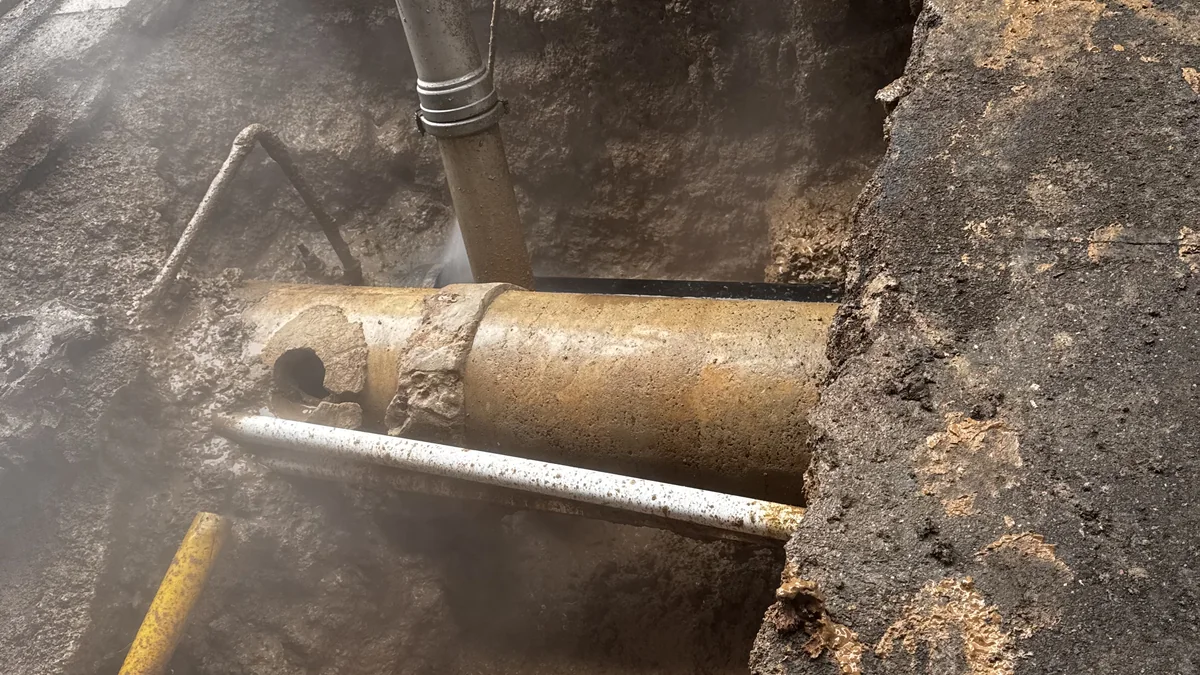
Potholing for utilities means making a small, targeted excavation to expose part of a buried pipe, cable, conduit or other service. Once visible, the project team can verify its actual position and depth before trenching, drilling, boring, piling or mechanical excavation continues nearby.
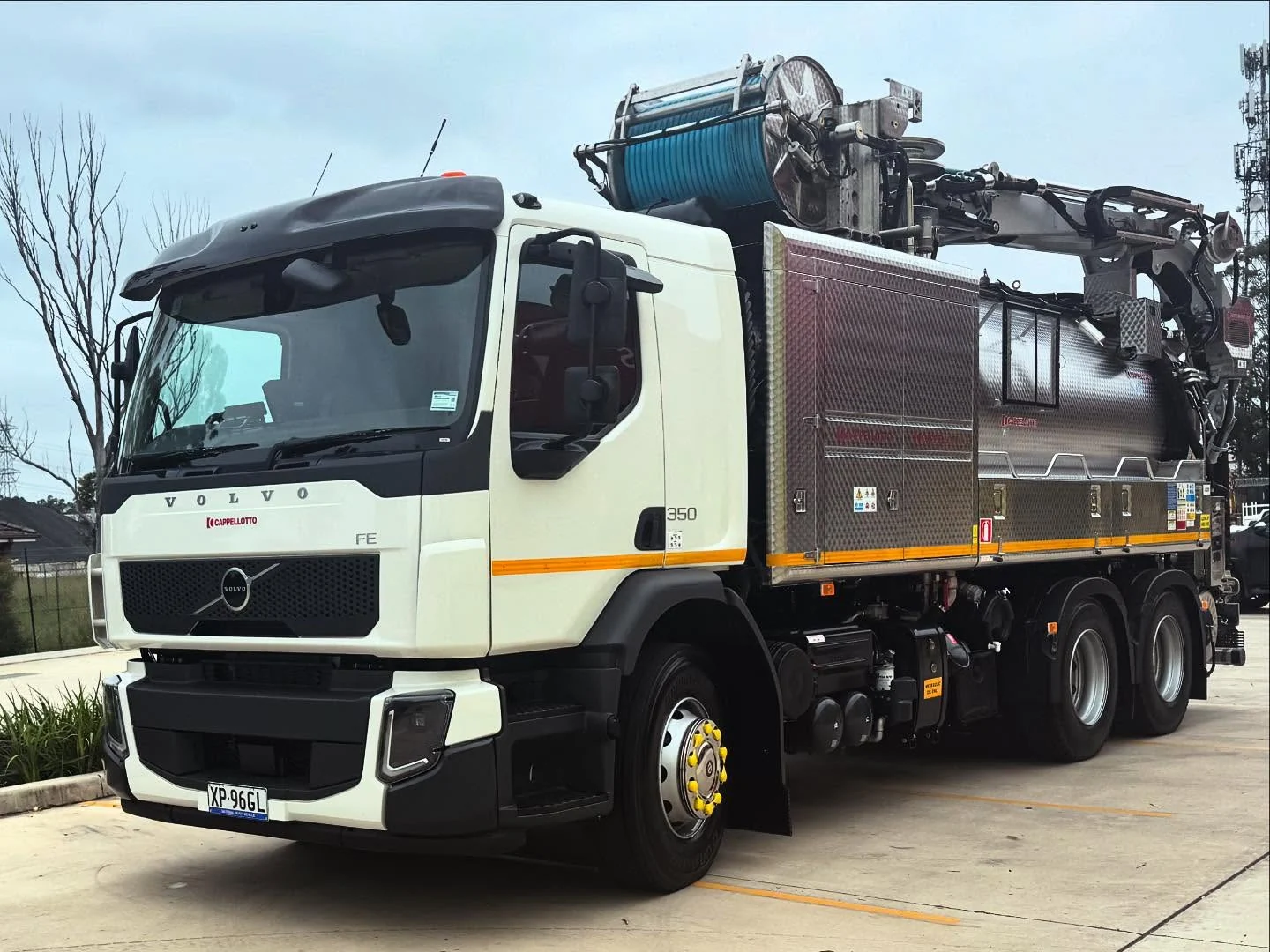
On a hydro-vac job, controlled water loosens the soil and a vacuum hose recovers the loosened material into the truck. The aim is careful physical exposure, not a promise that plans or locating alone can show the exact position of every buried asset.
Quick answer
Plans indicate what may be present, locating helps mark a likely alignment, and potholing exposes the asset so it can be seen. These are related steps, but they are not interchangeable.
What does utility potholing confirm?
A pothole provides visual confirmation at the point that has been exposed. It can show the service position and depth at that location, helping the project team make a more informed decision about the next stage of work.
- Whether the targeted service is present at the selected exposure point.
- The visible depth and position of the exposed section.
- Whether the planned crossing, trench or excavation needs to be adjusted.
- Where additional exposures may be needed before the route is accepted.
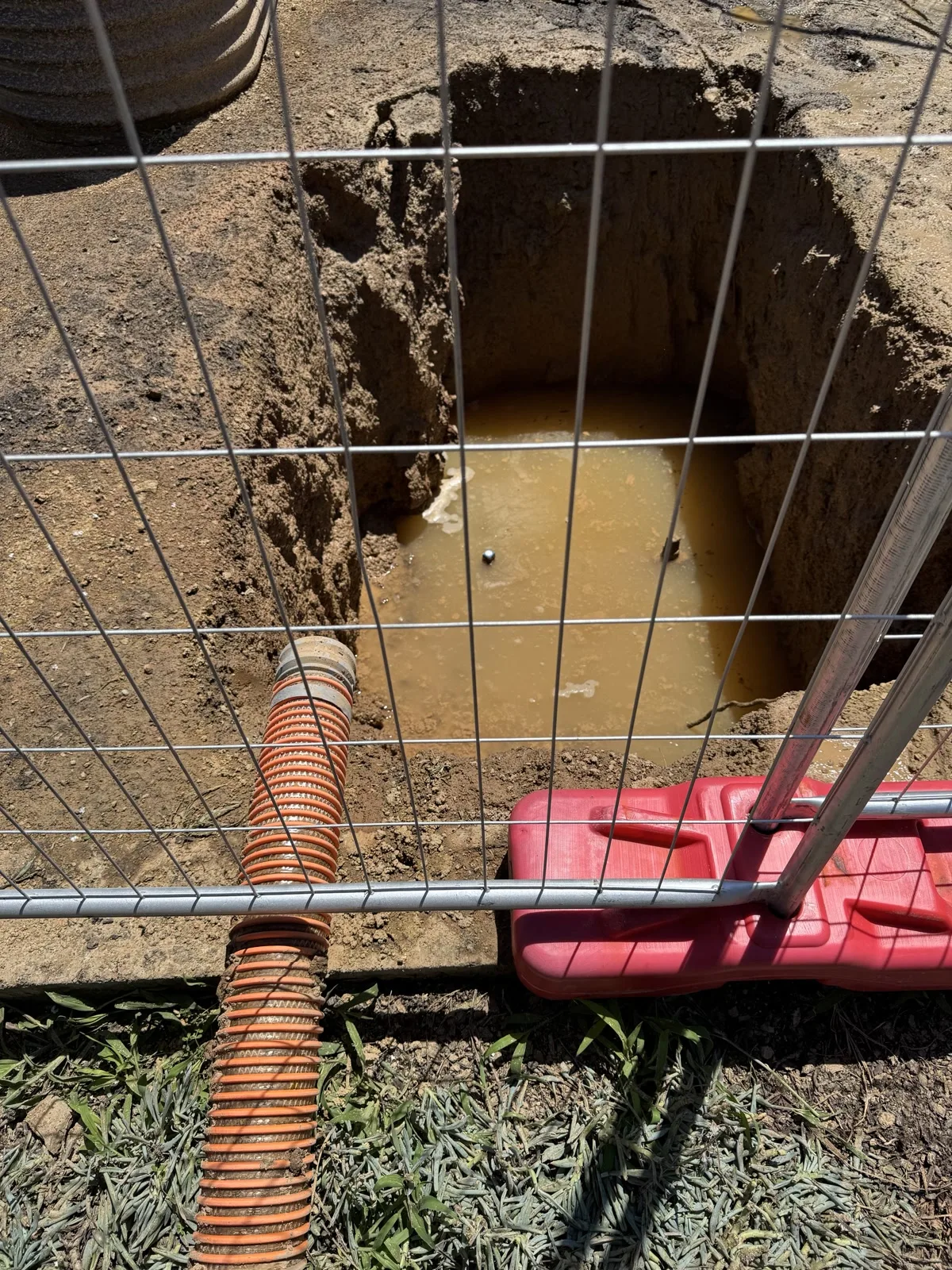
SafeWork NSW says available underground-service information may not be accurate and describes exposing a short section with water pressure and a vacuum system as an initial examination method. Its Excavation Work Code of Practice also says potholing should be used when a cable location cannot be determined exactly.
Where does potholing fit before excavation?
Potholing sits between desktop planning or locating and the main excavation. It answers a physical question: what is actually present at this point, and where is it? That answer can guide the work plan, but it does not remove the need for current information, competent people or asset-owner requirements.
- Plan: define the proposed excavation, crossing or work area and obtain current service information.
- Prepare: review asset-owner instructions, site controls, access and the likely service alignment.
- Locate: arrange the appropriate locating and marking work where it is required.
- Pothole: expose selected points so the service can be visually verified.
- Proceed: use the verified information when planning the next stage and protect the exposed asset as required.
Before You Dig Australia groups good pre-excavation practice into the 5Ps: Plan, Prepare, Pothole, Protect and Proceed. Its guidance also notes that hydro-vac damage can be affected by pressure, nozzle type, proximity to the asset and contact duration. The operator still needs to follow the asset owner’s requirements and the site’s work controls.
For the broader excavation method, see what non-destructive digging is. If you are arranging the commercial work in Sydney, the potholing services Sydney page remains the service owner.
How does hydro-vac potholing work on site?
The exact work sequence depends on the site and the asset-owner requirements. A typical hydro-vac potholing setup begins with a defined target, confirmed access and a controlled excavation point rather than an open-ended instruction to “find the services.”
- Review the current service information, markings, exposure targets and site controls.
- Confirm a suitable truck position and the full hose route to the work area.
- Set up the work area and any traffic, pedestrian or access controls required by the site.
- Use controlled water to loosen soil while the vacuum hose recovers the loosened material.
- Stop at the required exposure so the relevant project personnel can inspect or record the asset.
The pothole only verifies the section that has been exposed. A route may need more than one exposure where alignment, depth or a planned crossing needs to be checked at several points. Agree the number and purpose of the holes before the crew arrives.
Preparing a Sydney site?
Check the potholing setup before you book
Send the service information, markings, target exposures, access photos, proposed truck position and hose route. We can review whether hydro-vac potholing fits the job.
What should be confirmed before the truck arrives?
Good booking information reduces uncertainty about access and scope. It also helps distinguish a straightforward exposure from a job that needs separate locating, traffic management, special asset-owner controls or more detailed planning before potholing can start.
- Site address, contact person, preferred timing and the next work stage the exposures will support.
- Current plans, asset-owner responses, markings and any relevant instructions or permits.
- The number of proposed exposure points and what must be confirmed at each one.
- Wide photos of the truck position, access, work area and complete hose route.
- Known ground conditions, surface finishes and any reinstatement responsibility.
- Traffic, pedestrian, noise, work-hour, induction and exclusion-zone requirements.
- The expected handover, such as access for inspection, measurements or project photographs.
SafeWork NSW says underground essential-services information should be obtained before excavation begins and given to those engaged to do the work. The project team should also make sure the information remains available to the people planning and carrying out the excavation.
When is potholing a good fit, and when is it not?
Potholing is a good fit when a small physical exposure will answer a decision-critical question before larger work proceeds. It is commonly considered for crossings, tie-ins, trench routes, drilling or boring paths, repair work and excavation near known or suspected services.
It is not a substitute for the whole planning process. Potholing alone does not produce current service plans, detect and mark every possible asset, design the excavation, approve the work method or guarantee that unexposed ground is clear.
- Arrange separate locating where the likely alignment still needs to be detected or marked.
- Use the asset owner’s permitted exposure method and clearance requirements.
- Plan for ground conditions, buried obstructions, water, spoil, traffic and access.
- Do not treat one exposed point as proof of the full route where depth or alignment may change.
- Use a different excavation method where the scope is bulk earthworks rather than targeted verification.
If the scope is broader than targeted holes, review EIRE’s vacuum excavation Sydney service. It covers the wider water-and-vacuum method used for controlled excavation, trenching and other site work.
Frequently asked questions about utility potholing
What is potholing for utilities? It is a targeted excavation that exposes a short section of a buried service so the actual position and depth can be seen. Hydro-vac potholing uses controlled water to loosen soil and vacuum suction to recover the loosened material.
Is potholing the same as utility locating? No. Locating indicates or interprets where a service may run; potholing physically exposes it at selected points. A project may need both, and any locating scope should be arranged separately where required.
Is potholing the same as hydro excavation? Potholing is one application of hydro excavation. The same water-and-vacuum method can also support controlled trenching, clean-outs and other targeted excavation work.
What information helps plan a potholing job? Send the site address, current plans and asset-owner information, markings, target exposures, truck position, hose route, access restrictions, work hours and site controls.
Need utility potholing before excavation starts?
Eire Vacuum Services provides hydro-vac potholing in Sydney for targeted utility exposure before the next stage of excavation or construction. The clearest enquiry includes the site address, current service information, markings, access photos, truck position, hose route and required exposures.
Ready to plan the exposure?
Send the site details before the crew arrives
Call now, or send the current service information, markings, access photos and required exposures so the team can assess the potholing setup.
This article is general information, not site-specific safety, engineering or legal advice. The relevant duty holders remain responsible for the work plan, current service information, competent people and required controls.