
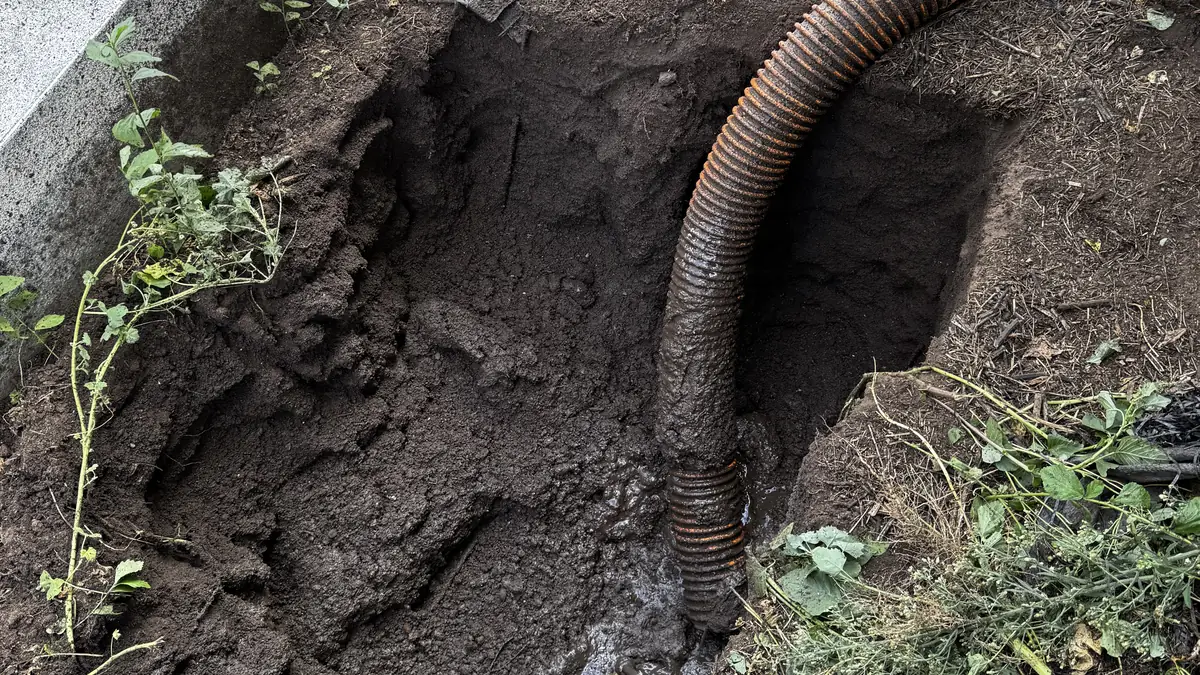
Non-destructive digging (NDD) is a controlled excavation method that uses water to loosen soil and vacuum suction to remove the loosened material. It is commonly used to expose buried services without bringing an excavator bucket or another steel digging edge directly into the excavation.
For Sydney site teams, NDD is most useful when the position of a pipe, cable, conduit or other underground asset needs to be physically verified before trenching, drilling, boring, repair work or mechanical excavation continues. It can reduce direct mechanical contact with the asset, but the name does not mean the work is risk-free.
Quick answer
NDD, often called hydro excavation or hydro-vac excavation, uses controlled water and vacuum recovery to make a targeted excavation. It exposes and works around assets; it does not replace current service information, locating, asset-owner instructions, supervision or site safety controls.
Key takeaways
- NDD uses water and vacuum suction instead of a mechanical bucket at the point of excavation.
- Potholing is a common NDD application used to expose a short section of a suspected or located service.
- Before You Dig Australia plans indicate the presence of participating asset owners’ infrastructure, but do not pinpoint its exact location.
- Service locating and physical service exposure are related steps, not interchangeable services.
- Water pressure, nozzle control, access, ground conditions and spoil handling still need to be planned.
- NDD is useful for targeted excavation around assets; it is not automatically the best method for every excavation or bulk-earthworks job.
How does non-destructive digging work?
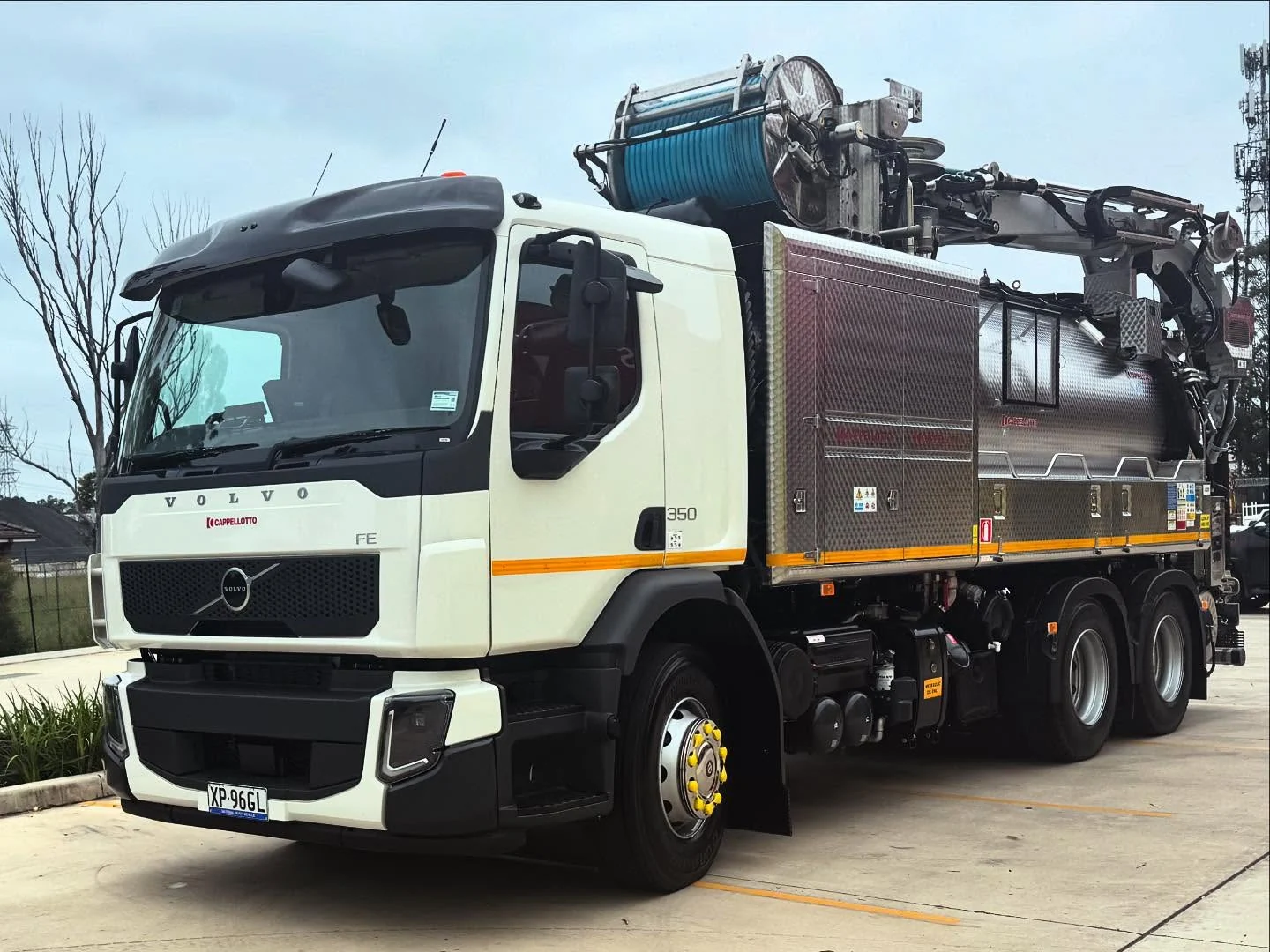
On the type of work Eire Vacuum Services performs, NDD is normally hydro vacuum excavation. The operator directs water into a controlled area to break up soil. A vacuum hose then lifts the loosened soil and slurry into the truck’s debris tank.
- Review the excavation scope, current service information, markings, asset-owner requirements, access and work controls.
- Position the truck where it can operate safely and run the water and vacuum hoses to the excavation point.
- Apply water progressively to loosen the ground in a controlled area.
- Vacuum the loosened material into the truck so the operator can see the excavation and exposed asset.
- Stop when the required exposure is achieved so the site team can inspect, measure or plan the next stage.
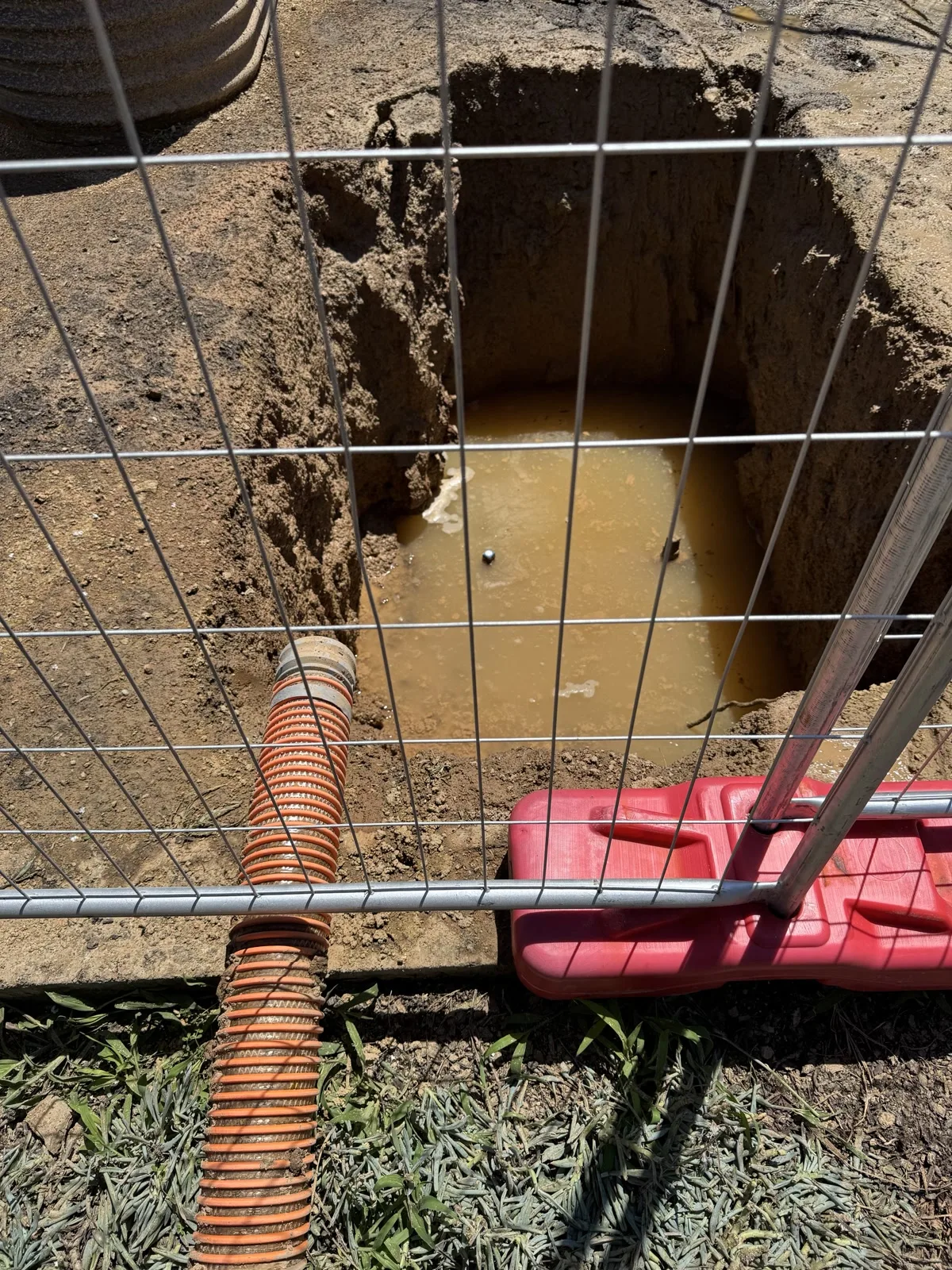
SafeWork NSW’s Excavation Work Code of Practice notes that available underground-service information may not be accurate. It gives exposure with water pressure and a vacuum system as an example of an initial examination method and says potholing should be used when an underground cable’s position cannot be determined exactly.
What is NDD used for?
NDD is a method rather than a single job type. Common applications include potholing and service proving, excavation near buried utilities, preparing crossings and tie-ins, targeted trenching, tree-root exposure, and work areas where the excavation point is easier to reach by hose than by machine.
- Expose a targeted section of a known or suspected asset so its position and depth can be visually checked.
- Remove material close to power, gas, water, sewer, stormwater or telecommunications infrastructure where direct bucket contact is a concern.
- Confirm clearances before trenching, boring, drilling, repair or connection work.
- Create a controlled excavation where the job scope and ground conditions suit hydro-vac work.
- Remove soil around a root zone for inspection or planning with less direct mechanical disturbance.
For a commercial overview of EIRE’s service and coverage, see non-destructive digging in Sydney. If the job is specifically about small verification holes, the potholing services Sydney page explains that application in more detail.
Plans, locating, potholing and NDD are different parts of the job
These terms are often grouped together, but each answers a different question. Service plans show that participating asset owners may have infrastructure in the work area and provide their instructions. Skilled locating uses appropriate methods and site evidence to mark or interpret a likely alignment. Potholing physically exposes a small section so the asset can be seen. NDD describes the excavation method used for that exposure and other controlled digging.
Before You Dig Australia says the plans supplied by asset owners indicate the presence of underground infrastructure, not its exact location. Its best-practice guidance separates the process into planning, preparing, potholing, protecting and then proceeding.
If the need is to electronically detect and mark an unknown service route, ask for skilled locating. If the route has been marked or is suspected and the need is to see the asset, measure its depth or confirm clearance, ask for potholing or service exposure. EIRE’s scope here is the physical hydro-vac excavation step; any separate locating requirement should be confirmed before the booking.
When is NDD a good fit?
NDD is usually worth considering when a small, accurate excavation provides information that changes what the site team does next. Examples include confirming a service before an excavator enters the area, checking a crossing before boring, or exposing an asset before repair or connection work.
It can also help when controlling the excavation footprint and recovering loosened material are important. Because the truck can remain at a suitable operating point while hoses reach the work area, hydro-vac can suit some sites where machine access to the exact excavation point is limited.
- Is there a safe and legal position for the truck?
- How far and how complex is the hose route?
- What services are shown, marked or suspected?
- What do the asset owner’s plans and instructions require?
- What material and ground conditions are expected?
- Where will the loosened material and slurry be contained or taken?
- What traffic, pedestrian, noise, access or working-hour controls apply?
Planning excavation near services?
Send the plans and site photos before the crew arrives
Include the service markings, proposed truck position, hose route and required exposure. We can talk through whether hydro-vac NDD is the right fit before you book.
For broader controlled excavation work, compare EIRE’s vacuum excavation Sydney and hydro excavation Sydney service information.
What are the limits of non-destructive digging?
The biggest misconception is that “non-destructive” means “nothing can be damaged.” NDD reduces direct mechanical digging at the excavation point, but poor planning or poor technique can still create risk.
Transport for NSW identifies vacuum, air and water excavation as NDD methods for potholing. It also requires water pressure and spray shape to be managed so the jet does not damage a cable’s outer sheath or a cable joint. The practical lesson is simple: pressure and nozzle control matter.
- Plans can be incomplete or indicative, so current information and onsite investigation are still required.
- NDD does not replace a skilled locator; exposure is not the same service as electronically locating and marking an asset.
- The asset owner’s permitted potholing method and clearance requirements still apply.
- Ground, buried obstructions, access, hose length, water, traffic control and spoil requirements can change the plan.
- A targeted hydro-vac excavation and a large open earthworks cut solve different problems.
- Shoring, trench stability, access, exclusion zones, SWMS requirements and other controls remain the responsibility of the relevant duty holders.
For root-sensitive work, see tree-root exposure. That is another application where the objective is careful exposure, but it requires its own scope and site controls.
What should you send before requesting an NDD quote?
A useful quote request gives the operator enough information to assess access, the likely duration and the required setup.
- The site address, preferred work date and a short description of what must be exposed or excavated.
- Current plans, markings and relevant asset-owner instructions.
- Wide photos of the proposed truck position, work area and complete hose route.
- An estimate of the excavation dimensions or number of potholes.
- The expected material and whether water or slurry is already present.
- Traffic, pedestrian, loading-zone, strata or working-hour restrictions.
- Any known disposal or containment requirements.
- The onsite contact and the party responsible for permits and work controls.
If key details are still unknown, send the photos and current plans first. EIRE can discuss whether hydro-vac looks suitable and what must be clarified before a booking.
Frequently asked questions
Is non-destructive digging the same as hydro excavation? Hydro excavation is a type of NDD. It uses water to loosen soil and a vacuum system to recover the loosened material. Other NDD methods can use air, but EIRE’s NDD work described here is hydro vacuum excavation.
Does NDD replace Before You Dig Australia plans? No. BYDA enquiries and the asset-owner information returned from them are part of planning the work. Follow the asset owner’s instructions and arrange locating or potholing where required.
Can NDD locate underground services? NDD can expose a service so its actual position and depth can be visually verified. That is different from skilled locating work used to detect and mark a likely alignment before excavation.
How much does non-destructive digging cost? There is no useful fixed rate without the job details. Price can change with the truck position, hose route, number and size of excavations, material, time onsite, water and spoil requirements, traffic controls and travel.
Need to expose an underground service before excavation?
Eire Vacuum Services provides non-destructive digging in Sydney for potholing, service exposure and controlled hydro-vac excavation. Send the site address, current service information, access photos, hose route and required exposure so the team can assess whether NDD is the right fit.
Ready to plan the job?
Talk through the excavation before you book
Call now, or send the plans, access photos and required exposure. We will review the job details and confirm whether hydro-vac NDD suits the site.
This article is general information, not site-specific safety or engineering advice. The relevant duty holders remain responsible for the work plan, current service information, consultation, competent people and required controls.