
Eire Vacuum Services Blog
Vacuum Excavation vs Mechanical Excavation: Which Method Fits the Job?
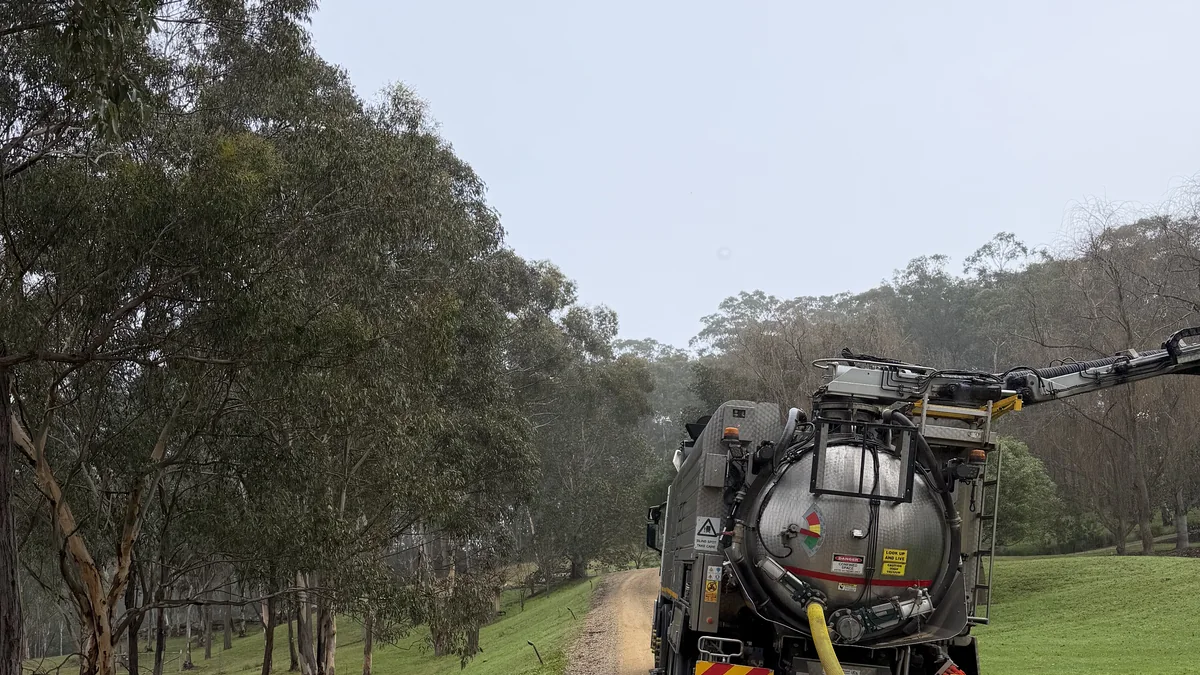
If the job is close to buried services, needs a tighter dig footprint, or depends on physically exposing what is underground before the next trade continues, vacuum excavation is often the safer starting point. If the route, clearances, and site risks are already understood and the real task is moving more soil across a broader open area, mechanical excavation may be the better fit.
The decision is not really "Which machine is better?" It is "What needs to be confirmed before the bigger excavation starts, and what method suits the actual work zone?"
The short answer
- Vacuum excavation uses water and vacuum recovery to remove loosened material in a controlled area.
- Mechanical excavation uses an excavator or similar earthmoving equipment to remove larger volumes of material more quickly.
- Vacuum excavation is commonly used when buried-service risk, tighter access, or a smaller excavation footprint changes the job.
- Mechanical excavation usually fits better once the route, clearance, and broader excavation plan are already resolved.
- One exposed point does not prove an entire service route, and neither method replaces current plans, locating, or site controls.
What is the practical difference?
Vacuum excavation is usually about controlled exposure. The operator uses water to loosen soil and a vacuum hose to recover it into the truck. That makes it useful when the site team needs to see or confirm a buried asset, limit direct mechanical contact at the excavation point, or keep the disturbed area tighter.
Mechanical excavation is usually about broader removal. Once the work area is understood and the route or clearances are confirmed, an excavator may be the practical tool for trenching, bulk digging, loading out spoil, or opening a larger area.
The main difference is not branding or speed claims. It is the level of control the site needs at that exact stage of the work.
When vacuum excavation usually fits better
Vacuum excavation often makes more sense when the next decision depends on what is physically uncovered rather than how quickly a bigger cut can be opened.
- known or suspected underground services are close to the dig area
- the crew needs a targeted exposure before trenching, boring, drilling, or repair work continues
- the site has tighter access or a smaller working footprint at the excavation point
- spoil, slurry, or water recovery is part of the job rather than a separate clean-up
- the handover depends on confirming position, depth, or clearance before mechanical digging starts
SafeWork NSW's excavation guidance makes the same planning point in a more formal way: underground-service information may not always be exact, and the work still needs suitable investigation, planning, and controls before excavation proceeds.
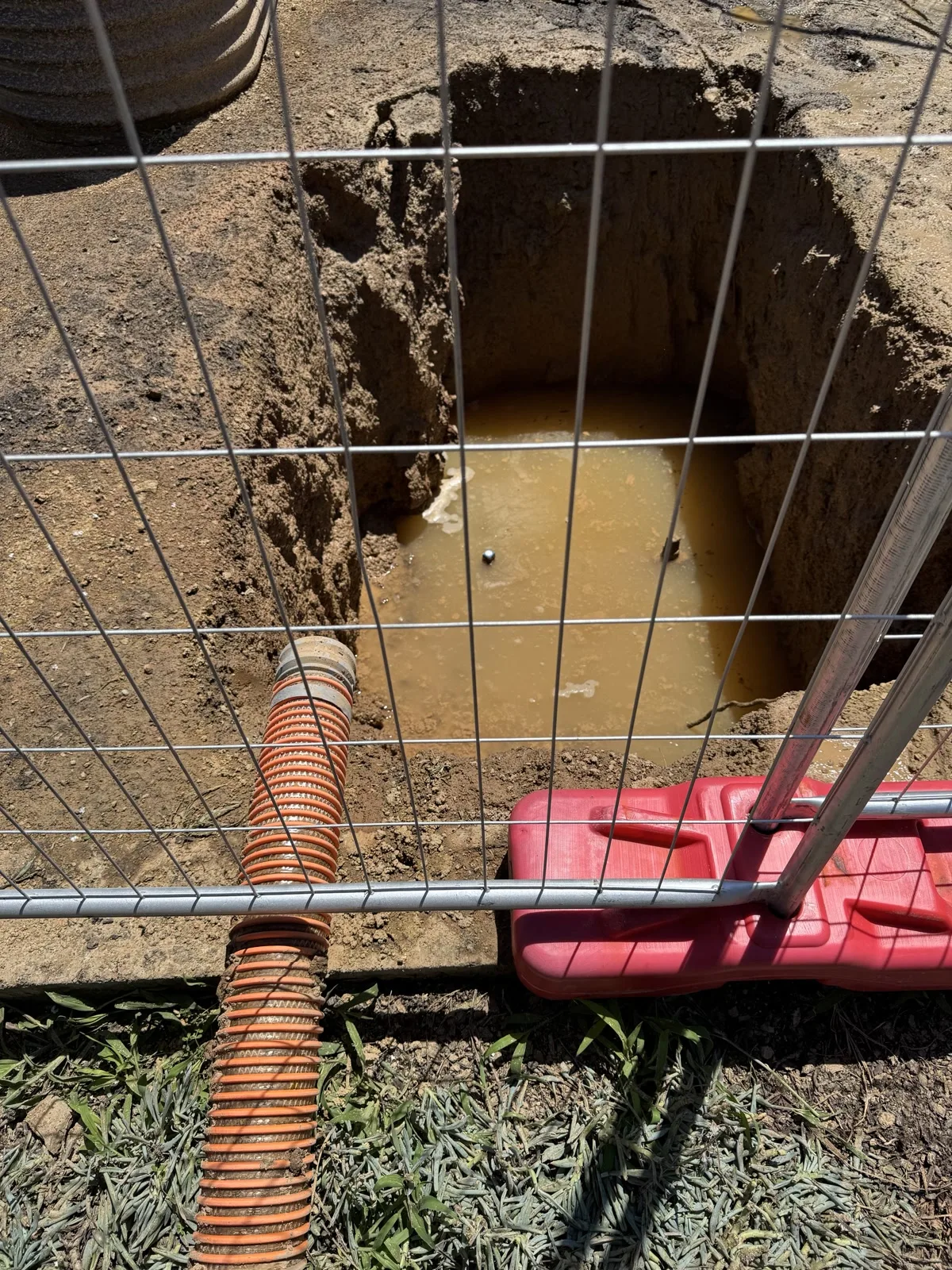
When mechanical excavation may be the better fit
Mechanical excavation can be the better fit when the route, service risk, and clearances are already understood and the job is no longer about targeted exposure.
- the work is a broader open excavation rather than a small controlled exposure
- the next stage requires larger-scale soil movement, trench opening, or bulk removal
- the site has the room, controls, and sequence needed for mechanical digging
- service exposure has already happened and the remaining work is a different stage of the excavation plan
That does not mean mechanical digging is the wrong method near services. It means many jobs need the methods in sequence rather than in competition: expose first where needed, then continue with the broader excavation once the risks are understood.
Plans, locating, exposure, then proceeding
One of the easiest ways to make the wrong decision is to treat plans, locating, potholing, vacuum excavation, and mechanical excavation as interchangeable.
Before You Dig Australia says its plans indicate the presence of infrastructure, not the exact location. That is why a site may still need locating, targeted exposure, or both before the broader excavation starts.
- review current plans, records, and asset-owner instructions
- confirm whether separate locating is required
- expose the critical point or section where physical confirmation is needed
- decide whether the next stage is more controlled vacuum work or broader mechanical excavation
That sequence helps keep the comparison honest. Vacuum excavation is not automatically the answer for every job. Mechanical excavation is not automatically the wrong answer either. The right method depends on what the site still needs to prove.
Need to choose the next step?
Send the plans and site photos before the bigger dig starts
Send the plans, current markings, access photos, proposed truck or machine position, and the section that needs to be exposed. Eire Vacuum Services can help work out whether the next step is targeted hydro-vac exposure, broader excavation, or a staged combination.
Questions that usually decide the method
The useful comparison is practical, not theoretical.
- What is known about buried services in this area?
- Does the next trade need a service physically exposed, or just a larger excavation completed?
- Is the work point tight, congested, or difficult to reach with conventional machinery?
- Where can the truck or excavator be positioned safely and legally?
- What is the full hose route or machine-access path?
- Is the job mainly about exposure, bulk removal, or both in sequence?
- What spoil, slurry, water, traffic, access, or handover constraints affect the plan?
If those answers point to a small controlled exposure, vacuum excavation usually belongs early in the sequence. If they point to broader open digging after the risks are already understood, mechanical excavation may be the more practical stage-two method.
What vacuum excavation does not prove on its own
This is where comparison articles often get sloppy. One pothole or one exposed section can confirm a specific point, but it does not prove the full route, every depth change, or every site condition beyond that exposure.
Likewise, choosing mechanical excavation after a targeted exposure does not remove the need for the project's broader controls, current information, or competent supervision. The method still has to match the work that remains.
What to send before asking which method fits
If you are deciding between vacuum excavation and mechanical excavation, the quote request should explain the stage of the job rather than naming equipment only.
- site address and working window
- current plans, markings, and relevant asset-owner instructions
- photos of the work area, proposed truck or machine position, and the full hose or access path
- the part of the job that still needs to be confirmed
- whether the next trade needs exposure, clearance, trenching, or bulk removal
- any known spoil, water, slurry, traffic, access, or handover constraints
That is usually enough to separate "we need a controlled exposure first" from "the next stage is broader excavation."
Frequently asked questions
Is vacuum excavation safer than mechanical excavation? For work close to buried services, vacuum excavation is often chosen to reduce direct mechanical contact at the excavation point. That does not make it risk-free, and it does not replace plans, locating, current instructions, or site controls.
Does vacuum excavation replace an excavator? Not always. Many jobs use vacuum excavation to expose or confirm critical points, then use mechanical excavation for the broader cut once the route and clearances are understood.
Can one pothole prove the whole route? No. A single exposure confirms only the section that has actually been uncovered. The wider route still depends on the available information, conditions, and any other required verification.
How do I know which method to quote? Start with the stage of the work, the service risk, the required exposure, the access, and the handover needed by the next trade. If the team needs a controlled confirmation point before bigger digging starts, that usually points toward vacuum excavation first.
Which method fits this job stage?
Vacuum excavation and mechanical excavation solve different parts of the same problem. If the site still needs a controlled exposure before the main dig continues, start there. If that part is already resolved and the job has moved to broader soil movement, mechanical excavation may be the right next step.
For Sydney service enquiries, see vacuum excavation Sydney. If you want help deciding what the next stage should be, send the plans, access photos, and the section that needs to be confirmed through the contact page.
Ready to plan the next stage?
Work out whether exposure or broader excavation comes first
Call now or send the plans, access photos, and required exposure details. We can help work out whether hydro-vac exposure, broader excavation, or a staged combination fits the next part of the job.