
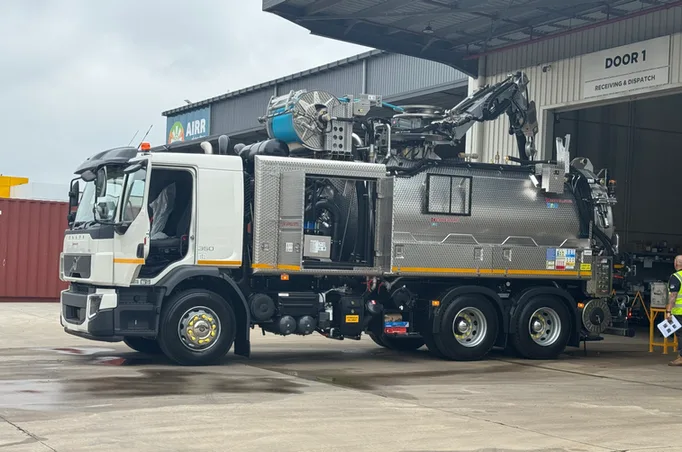
Vacuum excavation removes soil from a defined area by loosening the ground and drawing the material through a vacuum hose into a truck. On the hydro-vac work described by Eire Vacuum Services, controlled water loosens the soil before the vacuum recovers the wet spoil.
The method is useful when the site needs a targeted exposure, a controlled trench, access to a pit or drain, or a clearer view of what is underground before the next work stage. It does not remove the need for current service information, site controls, asset-owner instructions, or a clear excavation plan.
The short answer
Vacuum excavation is a method, not a complete job scope. The quote still needs to define where the truck can stand, how the hose reaches the work, what material is being removed, what is known about buried services, and what the next trade needs when the excavation is finished.
How does hydro vacuum excavation work?
A practical hydro-vac sequence has four parts. First, the site team defines the target and reviews the available service information. Second, the truck is positioned where it can operate without creating a new access or traffic problem. Third, water is directed into the agreed excavation area while the vacuum hose recovers the loosened material. Finally, the exposed area is checked against the result the project needs.
- Define the exposure, trench, clean-out, or material-removal target.
- Confirm the truck position, hose route, access restrictions, and working area.
- Loosen the material with controlled water and recover it through the vacuum hose.
- Stop at the required handover point so the relevant site team can inspect, measure, record, or continue the work.
The excavation footprint may be smaller than a mechanical cut, but the surrounding controls still matter. The work area, ground conditions, spoil, nearby structures, plant movement, and people around the excavation all remain part of the site plan.
Our guide to hydro excavation in Sydney covers access, spoil handling and details to confirm before booking.
Where does vacuum excavation fit on a Sydney site?
Vacuum excavation fits best when the project needs controlled soil removal or vacuum recovery rather than an open-ended instruction to dig. The useful question is not simply whether a vac truck can attend. It is what the site needs the truck to expose, remove, or leave ready for the next trade.
- Potholing or targeted service exposure before larger excavation, drilling, or repair work.
- Controlled trench sections where buried assets or a narrow work area affect the method.
- Pier, pit, drain, and access clean-outs where loose or wet material needs vacuum recovery.
- De-watering and removal of mud, slurry, or sediment when the material and disposal plan suit the service.
- Tree-root exposure where the project team needs visibility for an arborist or another responsible specialist.
For the commercial service scope, see vacuum excavation Sydney. For a focused utility-exposure explanation, see utility potholing explained.
When is mechanical excavation still the better fit?
Vacuum excavation is not automatically the right method for every cubic metre of soil. A project may use hydro-vac for targeted exposure near a known risk, then use mechanical excavation for a broader open cut once the route, clearances, and controls are understood. Some jobs combine both methods in stages.
The better choice depends on the work stage, buried-service risk, dig footprint, ground conditions, access, material volume, and required handover. The vacuum excavation versus mechanical excavation guide compares those decisions without treating either method as a universal winner.
What needs to be confirmed before excavation starts?
SafeWork NSW states that current underground essential-services information for the work area and adjacent areas must be obtained before excavation work starts. That information must also be available to the people carrying out the excavation. A vac truck booking should sit inside that planning process, not replace it.
Before You Dig Australia sets out the Five Ps: Plan, Prepare, Pothole, Protect, and Proceed. Its guidance says potholing should follow the asset owner’s stated method and that work should proceed only after the earlier planning and protection steps are in place.
Keep the roles clear
Plans, electronic locating, site markings, potholing, physical exposure, measurement, and the next construction stage are related but different tasks. Confirm who owns each step and what evidence or clearance the next trade needs.
What details make a vacuum excavation quote useful?
A quote is more reliable when the enquiry describes the site and the required result, not just the truck. Photos and measurements help the team assess access, setup, hose reach, likely material, and the time needed for the work.
- Site address, preferred timing, and the site contact.
- Current service plans, asset-owner information, locator markings, or site instructions relevant to the target.
- Photos of the access, proposed truck position, work area, and hose route.
- Approximate length, width, depth, number of exposures, or material volume where known.
- Expected soil, mud, slurry, water, sediment, or other material, plus any known handling constraints.
- The exact handover needed, such as a visible service, a measured clearance, a clean pit, or access for the next trade.
Planning a Sydney site?
Check the job setup before you book
Call now, or send the current service information, access photos, truck position, hose route, and required excavation details for a free quote.
What vacuum excavation does not prove by itself
A completed hydro-vac hole proves only what has been physically exposed at that point. It does not automatically prove the full route of an asset, every nearby service, the condition of the asset, or that the broader excavation can continue without further controls.
The site team should record what was exposed, compare it with the available information, and decide whether more exposures, locating, engineering input, asset-owner direction, or another work method is needed. This makes the excavation useful to the next decision instead of treating the hole itself as the finish line.
Frequently asked questions
Is vacuum excavation the same as hydro excavation? Hydro excavation is one type of vacuum excavation. It uses water to loosen soil before vacuum recovery; other systems may use air.
Does vacuum excavation replace service plans or locating? No. It can provide physical exposure, but the project still needs current information, the relevant instructions, and clear responsibility for locating and site controls.
Can it work on a restricted-access site? Often, but truck position and hose route still need to be practical. Send photos, distances, gradients, parking restrictions, and the work-area details before booking.
What should I send for a quote? Include the site address, timing, current service information, access photos, truck position, hose route, material, excavation size, and the required handover.
Plan the method around the result you need
Vacuum excavation is most useful when the target, access, risks, and handover are clear. Define those details first, then choose whether the job needs hydro-vac exposure, a broader vacuum service, mechanical excavation, or a staged combination.
Need vacuum excavation in Sydney?
Send the site details for a free quote
Call now, or send the plans, markings, access photos, truck position, hose route, and the result the next trade needs.