
Eire Vacuum Services Blog
What Is Construction Dewatering, and When Does Vacuum Loading Help?
Construction dewatering is the removal or control of water that is stopping work on a site. That covers rain sitting in an excavation, groundwater seeping into a trench, a flooded manhole or pier hole, and run-off pooling where crews need to stand. If the water has to go before the next stage can start, that is dewatering.
The word covers a wide range of jobs, from a single flooded pit that needs clearing in one visit through to a managed system that keeps the water table down for months. Those are very different pieces of work, and mixing them up is the most common reason a site books the wrong thing.
Key takeaway
Dewatering splits into two practical questions. Is there a volume of water and sediment sitting in one place that needs removing, or does groundwater keep refilling the excavation? The first is usually a vacuum loading job. The second needs a pumped or engineered groundwater system.
What construction dewatering actually covers
On most Sydney jobs, water shows up in one of a few ways. Rain fills an open excavation overnight. Groundwater seeps in once the dig goes below the water table. A burst or blocked line floods a work area. Drilling or piling brings water and spoil up together. Each of those calls for a different response, even though a site manager would reasonably describe all of them as needing dewatering.
- Standing water in a pit, trench, or excavation after rain.
- Groundwater seeping in through the walls or base of a dig.
- Flooded manholes, stormwater pits, and drainage structures.
- Water and slurry in pier holes and drilling works.
- Run-off and wash water pooling across a work area.
What matters most is not the label. It is whether the water is a fixed volume that can be taken away, or a flow that keeps coming back once you remove it.
What are the three types of dewatering?
Most guides group the methods into three families. Sump pumping collects water in a low point of the excavation and pumps it out from there. Wellpoint systems use a ring of shallow suction points connected to a header main to draw the water table down across an area. Deep well systems use individual pumped wells for deeper excavations or higher groundwater volumes.
You will also see lists of four, five, or nine methods, because some sources break out variations such as eductor wells or open sump drainage as separate categories. The three-family grouping is a useful starting point rather than a fixed standard, and the number itself is not what decides your job.
The distinction that matters on site
Sump pumping and vacuum loading remove water that has already collected. Wellpoint and deep well systems change the groundwater level itself. The second group is engineered work, usually specified by a geotechnical or dewatering specialist, and it is a different scope from a truck visit.
Where vacuum loading fits
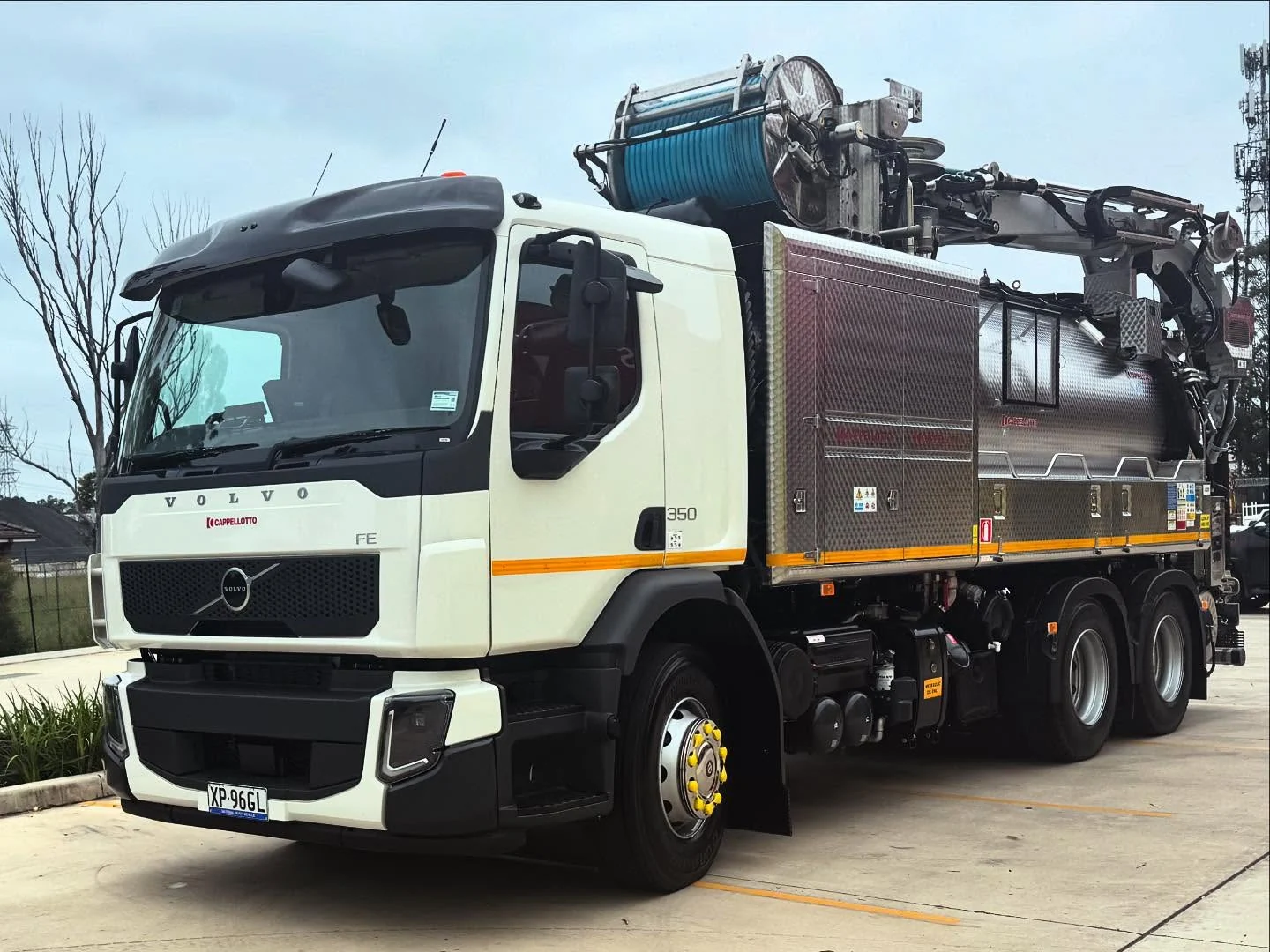
A vac truck removes water by suction through a hose and carries it away in its tank. That makes it a good match for water that is already sitting somewhere and needs to be gone, particularly when the water is mixed with mud, sediment, or slurry that a standard pump would struggle with or clog on.
We remove water from pits, manholes, pier holes, flooded work areas, and construction sites, and the same truck handles the mud and sediment that usually comes with it. Where the job is more slurry than water, that overlaps with our mud and slurry removal work, and blocked or built-up drainage may need drain clean-out as part of the same visit.
- Water and sediment together, where suction beats a pump.
- A defined volume that needs clearing in one visit.
- Confined or awkward spots a hose can reach and a pump setup cannot.
- Urgent work, where the site cannot wait for a system to be installed.
If the excavation refills as fast as it is emptied, a truck visit is treating the symptom. That pattern points to groundwater rather than collected water, and it is worth getting a dewatering or geotechnical specialist to look at the site before spending money on repeat visits.
Not sure which one you have?
Send the details and we will tell you straight
Call now, or send photos of the water, the access, and how quickly it comes back. If a vac truck is the wrong tool for your site, we would rather say so before you book.
What the dewatering process looks like in practice
For a vac truck job, the sequence is fairly consistent. We confirm access, truck positioning, hose reach, the type of water, and the likely volume before the job. The truck then removes water, sediment, mud, and slurry from the work area. Once the water is out, crews can inspect, repair, drill, pour, or keep excavating.
Two things change that plan more than anything else. The first is access, because the truck has to get within hose reach of the water. The second is what is actually in the water, since sediment, contamination, or trade waste all affect where it can go afterwards.
Risks, and the rules that apply in NSW
Lowering a water table near existing structures can cause ground settlement, which is why engineered systems are designed rather than improvised. Excavation faces can become unstable when saturated ground is drained or disturbed. Pumping can also draw fine material out of the ground, which undermines the very thing you are working next to.
There is a compliance side as well. Water removed from a site is not automatically clean, and where it can be discharged depends on what is in it. NSW EPA guidance on classifying waste is the starting point for sediment and contaminated material, and water going to the sewer network in Sydney sits under trade wastewater rules rather than being a free discharge.
The excavation itself carries its own duties regardless of the water. SafeWork NSW sets out requirements for excavation work, and buried services still need to be identified through Before You Dig Australia and confirmed on site before anyone digs or sets up.
Where the dig is close to buried services, exposing them safely is its own step, and that is where vacuum excavation comes in rather than a dewatering method.
Where we work
We work across Greater Sydney, including the Hills District, Western Sydney, Sydney CBD, the Northern Beaches, Eastern Suburbs and Sutherland Shire, as well as Newcastle, Wollongong, the Central Coast and the ACT. If de-watering is urgent, we are available 24/7.
Related services when water is not the only problem
Water on site rarely turns up on its own. If the job also involves shifting heavy or wet spoil, our comparison of skip bins and vac trucks covers how that decision usually goes, and our guide to what a vacuum truck does explains the other work the same truck handles.
If you need the truck and an operator for a stretch of work rather than a single visit, that is vac truck hire, and pier hole water and spoil is covered by our pier clean-out work.
FAQs about construction dewatering
What is the purpose of dewatering? The purpose is to get water out of the way so work can continue safely. Water in a pit, trench, manhole, or pier hole makes the ground harder to inspect, harder to work in, and less stable, so it usually has to be removed or controlled before the next stage starts.
What are the three types of dewatering? Most guides group the methods into three families: sump pumping, where water is collected in a low point and pumped out; wellpoint systems, which use a ring of shallow suction points to lower the water table; and deep well systems for deeper or higher-volume groundwater. Some sources split these further, so the exact count varies by who is writing.
What is the dewatering process in construction? In practice it runs in stages: work out where the water is coming from and how fast it returns, choose a method that matches that, collect or intercept the water, remove it from the excavation, and deal with the water and any sediment lawfully. Site access and how long the work will run both affect which method fits.
What are the risks of dewatering? The main ones are ground movement or settlement when the water table is lowered near existing structures, unstable excavation faces, drawing fine material out of the ground, and discharging sediment-laden or contaminated water without the right approval. Excavation work in NSW also carries its own safety duties that apply regardless of the water.
Got water sitting on your site?
Send a few photos of the water, the access, and how deep it is, along with anything you know about where it is coming from. We can give you an honest read on whether a vac truck will clear it in one visit or whether the site needs a different approach.
Ready to clear it?
Get a free quote on de-watering
Call now, or send the site details through our contact form. We are available 24/7 when water removal cannot wait.
This article is general information, not engineering advice or a site-specific assessment. Method selection, discharge approvals, and excavation controls depend on the site, the ground conditions, and the relevant authority.