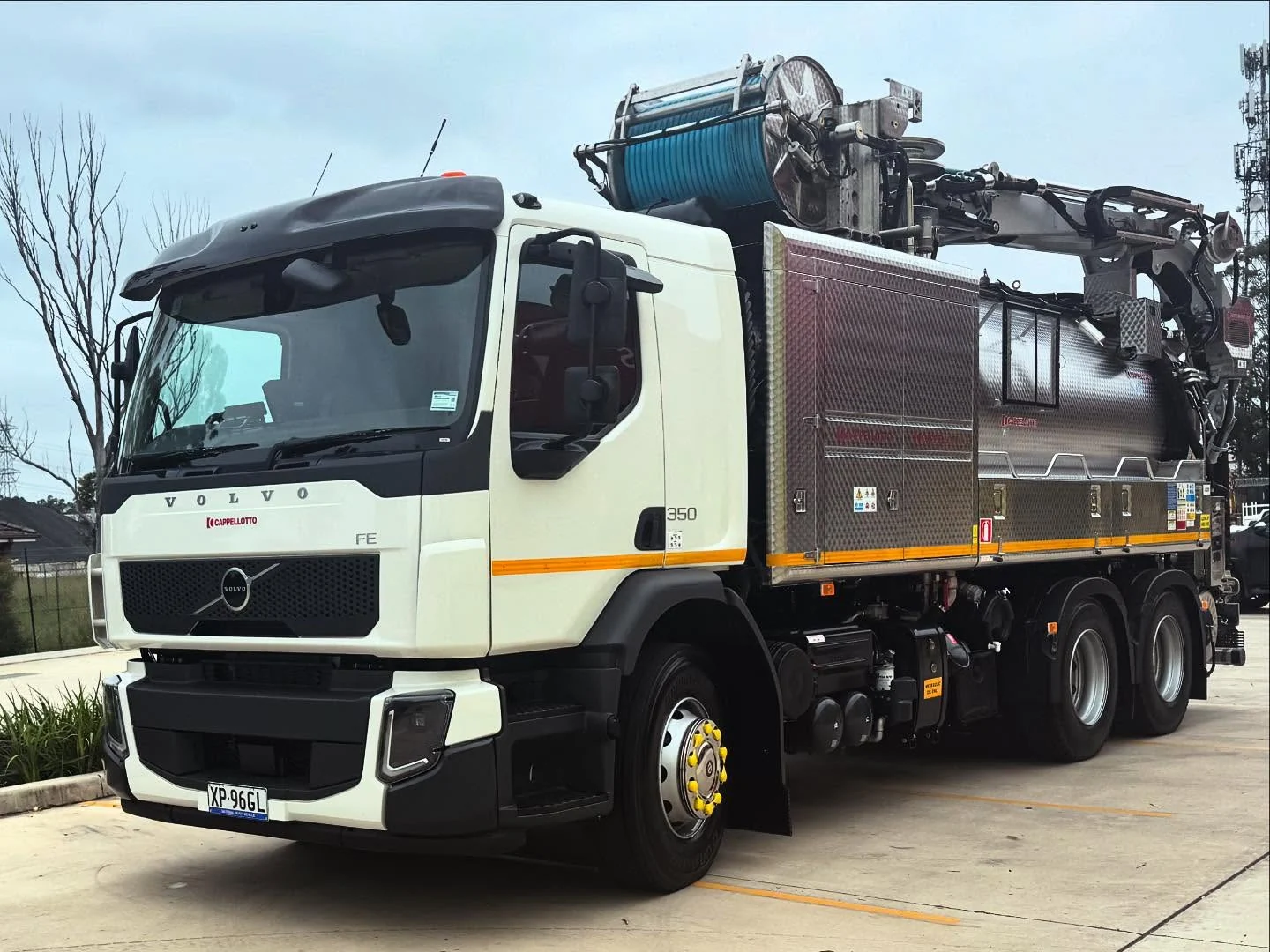
A vacuum truck creates strong airflow through a hose to draw liquids, slurry, loose spoil or other suitable material into an onboard tank. On hydro-vac excavation work, controlled water loosens the soil first, then the vacuum system recovers the wet material from the work area.
For service-ready enquiries, the commercial owner remains vac truck hire in Sydney. This guide has a different job: it explains what the machine actually does, where it is commonly used and which details decide whether it fits a Sydney site.
It is written for site supervisors, builders, civil crews, strata managers and facilities contacts who need to match a truck to a real task. The useful question is not simply whether a vac truck is available. It is whether the material, access, hose route and required handover suit vacuum recovery.
At a glance
A vacuum truck lifts suitable material through a hose, contains it in an onboard tank and supports a cleaner handover. Some jobs also use controlled water or jetting. The truck name alone does not confirm excavation method, material limits, access, waste requirements or the result the next trade needs.
What a vacuum truck actually does
The vacuum system moves air through the hose. That airflow carries suitable liquid, wet material, loosened soil or debris from the work point into the truck’s tank. The tank contains the recovered material until the load is handled according to the job plan and the material requirements.
The hose is what makes the truck useful beyond the truck’s parking position. If the crew can establish a suitable truck position and a safe, workable hose route, the operator may be able to reach pits, trenches, pier holes, landscaped areas or other defined work points that larger earthmoving equipment cannot approach directly.
Vacuum recovery is only one part of some jobs. Hydro-vac excavation adds controlled water to loosen soil. Drain or pit work may add jetting to break up build-up. De-watering may focus on water and sediment already present. The task decides the work method; the machine name does not.
How material moves from the work area to the tank
A planned vac truck job follows a simple material path, but every stage needs to match the site. The operator positions the truck, establishes the hose route, prepares the work point, recovers the material and contains it in the tank for the next agreed step.
- Truck position: confirm legal access, working room, ground conditions, traffic or pedestrian controls and any overhead restrictions.
- Hose route: measure the run, account for bends, gradients and obstacles, and protect the path through occupied or finished areas.
- Work point: define whether the task is excavation, water removal, wet-material recovery, drain support or a specific clean-out.
- Recovery: use the agreed water, jetting or vacuum method to move suitable material through the hose.
- Tank and handover: contain the recovered load and leave the work point ready for the inspection, repair, drilling, pour or next trade described in the scope.
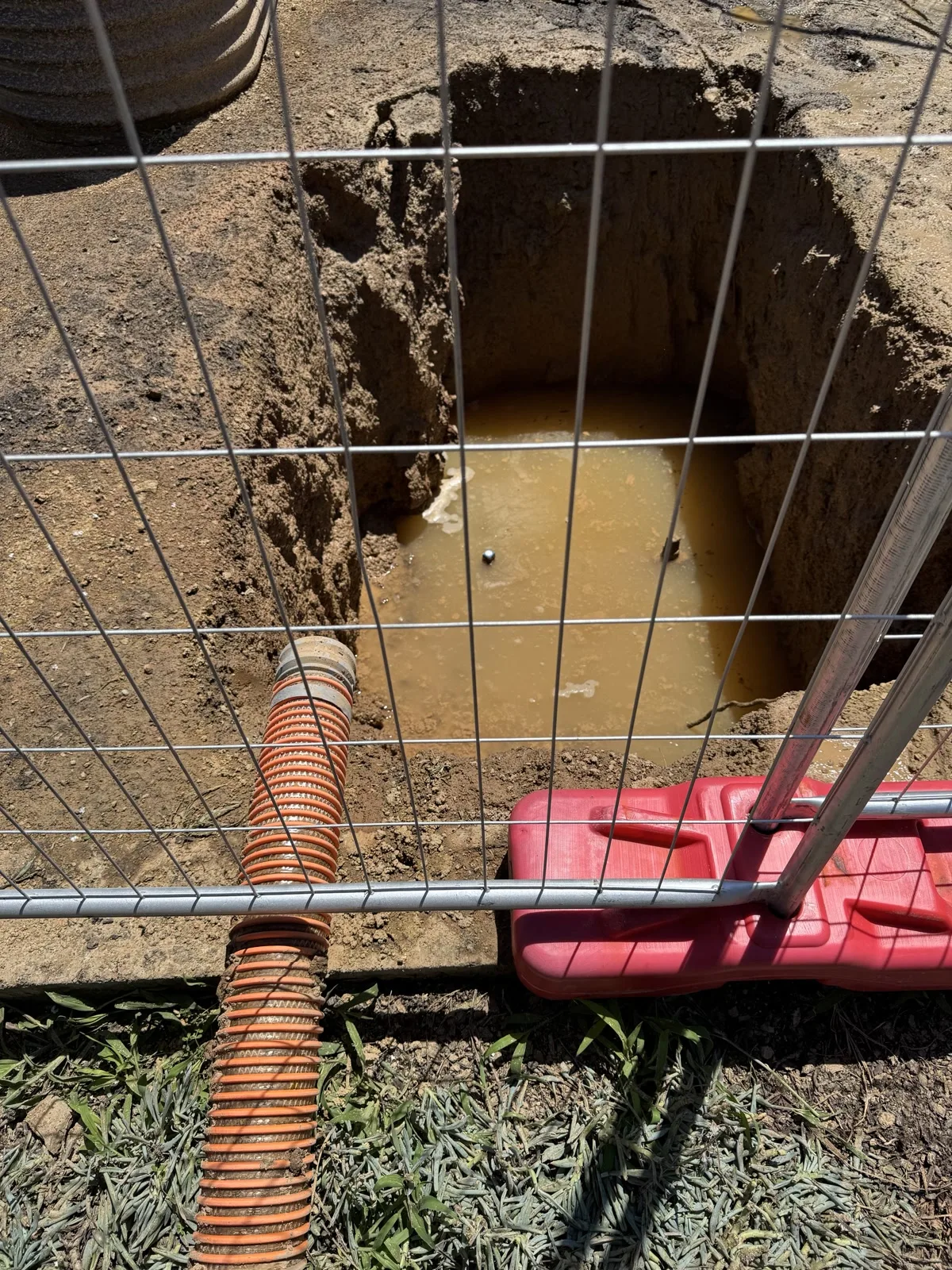
This is why a photo of only the hole is rarely enough for planning. Wide photos of the proposed truck position and the full hose route often answer access questions that a close-up cannot show.
Which Sydney jobs commonly use a vacuum truck?
Vacuum trucks support several different Sydney job types because they combine hose access, recovery and onboard containment. The same truck family may be involved, but the preparation and handover change with the material and the reason for the work.
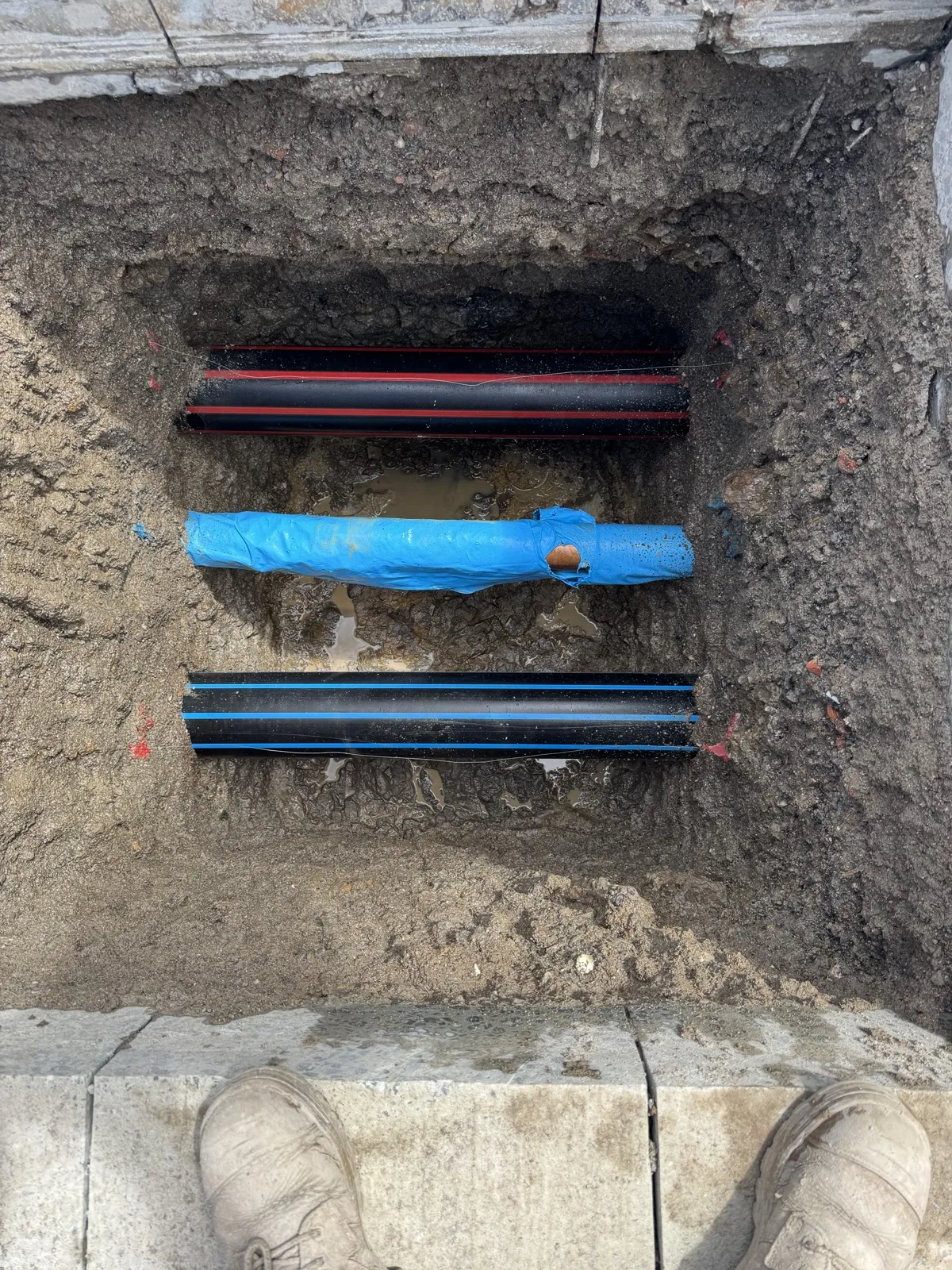
Controlled excavation and service exposure use water and vacuum recovery to remove soil from a defined point. The method can support vacuum excavation in Sydney or physical service proving where the project needs to see an underground asset before broader work continues.
De-watering uses the vacuum system to remove standing water, sediment, mud or slurry from pits, trenches and flooded work areas. The de-watering service page covers this use case in more detail, including the access and volume information needed before attendance.
Pier clean-out focuses on water, mud, slurry and loose material inside drilled holes before the responsible project team inspects or prepares the next stage. Access, depth, hose reach and the required handover should be confirmed through the pier clean-out service rather than assumed from the truck alone.
Wet-material and site recovery jobs may involve mud, slurry, sediment or loose spoil in a pit, trench or work area. The material still needs to be identified. For work that genuinely involves wet spoil rather than clean water, see the mud and slurry removal service.
When is a vacuum truck a good fit?
A vacuum truck is usually a strong candidate when the job needs controlled material recovery through a hose and the work area cannot be treated as ordinary open excavation. It is especially useful when access, wet material, containment or a defined handover changes the plan.
- the work point is small, targeted or difficult for larger earthmoving equipment to reach directly
- water, mud, slurry, sediment or loosened soil needs to be recovered as part of the same task
- the site needs a controlled exposure before trenching, drilling, boring, repair or broader excavation continues
- the material needs to be contained rather than left beside the excavation
- the next trade needs a clearly defined result, such as an exposed service, a cleared pier hole or access to inspect a pit
Another method may be better when the real task is bulk excavation in an open area, straightforward clean-water pumping, dry material that does not suit the proposed truck or work that needs separate plumbing, locating, engineering or repair expertise. A useful scope can combine methods instead of forcing one machine to do every stage.
Checking vac truck fit?
Send the material, access photos and hose route
Call now, or send the site address, work point, material, proposed truck position and full hose route. We can review whether a vac truck fits the job and what else needs to be confirmed.
What the truck does not confirm on its own
A vacuum truck does not replace current service information, locating, asset-owner instructions, permits, site controls or the responsibilities held by the people planning and carrying out the work. It also does not prove an entire underground route because one excavation confirms only the point that was physically exposed.
SafeWork NSW’s Excavation Work Code of Practice says available underground-service information may not always be accurate. It describes exposing a short section with water pressure and a vacuum system as an initial examination method where the exact location still needs to be established.
Before You Dig Australia’s Guide to Free Plans makes a related boundary clear: the plans returned by its service indicate the presence of underground infrastructure but not its exact location. Those plans remain part of the work information, while locating and physical exposure address different levels of uncertainty.
The recovered material also matters. The NSW EPA classifying waste guidance says waste generators are responsible for classification and receiving facilities may only accept waste they are lawfully authorised to receive. That is why the material description, origin and expected destination should be confirmed before a removal job, not guessed after the truck arrives.
If the uncertainty is only about the names vac truck, vacuum truck, sucker truck and suction truck, the terminology guide explains where those labels overlap. This page stays focused on the machine’s function and practical uses.
What should you send before booking?
A useful vac truck enquiry describes the result first, then gives the site information needed to test the setup. That lets the contractor check the truck position, hose route, work method and handling requirements before quoting or confirming attendance.
- Site address, contact person, preferred work window and any access-hour limits.
- Plain description of the task and the handover needed by the next trade.
- Material type, known source, estimated amount and any known contamination or handling concern.
- Wide photos of the proposed truck position, access route, work point and full hose path.
- Approximate distances, gradients, stairs, bends, overhead constraints and traffic or pedestrian requirements.
- For excavation, current plans, asset-owner information, locating or markings, target dimensions and required exposure points.
- For pits, pier holes or flooded areas, known depth, water or sediment condition and what must happen after recovery.
Do not rely on a close-up photo or a requested truck size alone. The wider site setup often changes the hose plan, time on site and whether another service needs to be coordinated first.
Frequently asked questions about vacuum truck work
What does a vacuum truck do? A vacuum truck creates strong airflow through a hose to draw liquids, slurry, loose spoil or other suitable material into an onboard tank. On hydro-vac excavation work, controlled water loosens the soil first, then the vacuum system recovers the wet material.
What can a vacuum truck remove? Depending on the truck setup and job conditions, vacuum trucks can recover water, mud, slurry, loose soil, sediment and suitable debris. The material, estimated amount, hose route and handling requirements must be checked before attendance because one truck or work method does not fit every load.
Is a vacuum truck the same as a hydro-vac? Hydro-vac describes a vacuum truck setup used with controlled water to loosen soil for excavation. Vacuum truck is the broader term because the same type of equipment can also support de-watering, wet-material recovery and defined clean-out work.
When is a vacuum truck a better fit than an excavator or pump? A vacuum truck often fits when the job needs controlled recovery through a hose, contained wet material, a smaller work point or physical exposure near underground services. An excavator may suit broader open digging, while a pump may suit straightforward clean-water transfer where solids recovery is not required.
What information is needed for a vac truck quote? Send the site address, task, material, estimated amount, access photos, proposed truck position, full hose route, work window and required handover. For excavation, also include current plans, markings, target dimensions and the points that need to be exposed.
Plan the truck around the material and access
A vacuum truck is most useful when the site has defined the work point, material, access, hose route and required handover. Those details separate a productive truck booking from a request based only on a machine name.
Ready to scope the Sydney job?
Call now or send the full site setup
Call Eire Vacuum Services, or send the address, task, material, access photos, truck position and hose route for a practical vac truck quote.
This article is general information, not site-specific safety, environmental, engineering or legal advice. The relevant duty holders remain responsible for the work plan, service information, waste decisions, competent people and required controls.